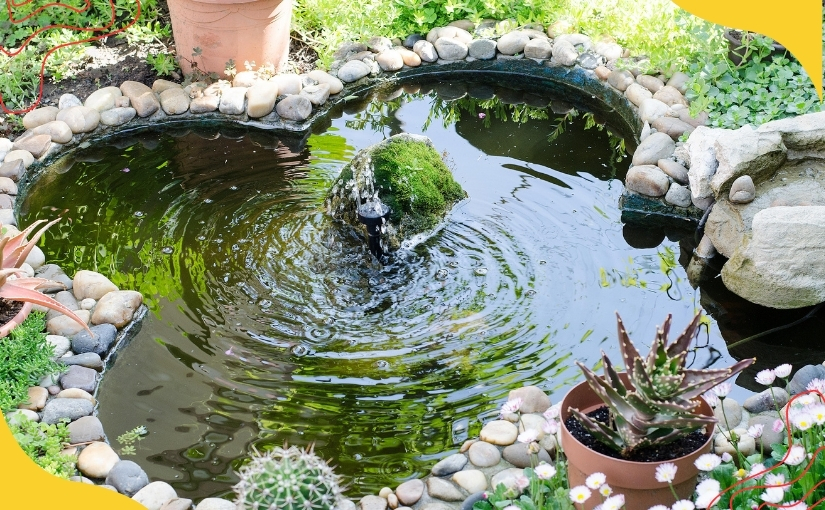
 Outdoor ponds can be a beautiful and serene addition to any landscape, offering aesthetic value and a natural habitat for wildlife. They create a soothing environment that attracts various forms of life, from birds and butterflies to frogs and fish. However, these water features can also become breeding grounds for mosquitoes, leading to an increase in the local population. This can pose a significant issue for homeowners, as these pests are not only a nuisance but also potential carriers of diseases such as West Nile virus and Zika virus.
Understanding the connection between outdoor ponds and mosquito populations is crucial for effective pest management. These insects lay their eggs in stagnant water, making ponds an ideal location for breeding. Without proper maintenance, a pond can quickly become a mosquito haven. Measures such as regularly cleaning the water, installing aerators to keep it moving, and introducing natural predators like fish can help control larvae.
For those facing persistent problems, professional pest control services from Truly Nolen in Oakville may be necessary. Our experts can assess the situation and provide targeted solutions, ensuring your pond remains a tranquil and enjoyable feature of your landscape without becoming a health hazard. By addressing the root causes and implementing effective control measures, homeowners can maintain the beauty of their outdoor ponds while minimizing the impact of mosquitoes.
Outdoor ponds can be a beautiful and serene addition to any landscape, offering aesthetic value and a natural habitat for wildlife. They create a soothing environment that attracts various forms of life, from birds and butterflies to frogs and fish. However, these water features can also become breeding grounds for mosquitoes, leading to an increase in the local population. This can pose a significant issue for homeowners, as these pests are not only a nuisance but also potential carriers of diseases such as West Nile virus and Zika virus.
Understanding the connection between outdoor ponds and mosquito populations is crucial for effective pest management. These insects lay their eggs in stagnant water, making ponds an ideal location for breeding. Without proper maintenance, a pond can quickly become a mosquito haven. Measures such as regularly cleaning the water, installing aerators to keep it moving, and introducing natural predators like fish can help control larvae.
For those facing persistent problems, professional pest control services from Truly Nolen in Oakville may be necessary. Our experts can assess the situation and provide targeted solutions, ensuring your pond remains a tranquil and enjoyable feature of your landscape without becoming a health hazard. By addressing the root causes and implementing effective control measures, homeowners can maintain the beauty of their outdoor ponds while minimizing the impact of mosquitoes.
What Attracts Mosquitoes to Outdoor Ponds?
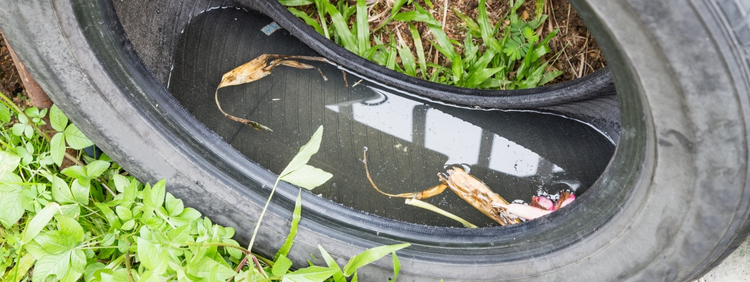
Mosquitoes are naturally attracted to outdoor ponds for several reasons, primarily due to their breeding requirements and lifecycle. Stagnant water is particularly appealing to these pests as it provides an ideal environment for laying and hatching their eggs. Females seek out standing water to deposit their eggs, which then develop into larvae. Without constant movement or filtration, ponds offer the still water necessary for the eggs to mature into adults. This is why poorly maintained ponds can quickly become breeding grounds for large populations. Besides stagnant water, the presence of organic matter in and around ponds also attracts these pests. Decaying leaves, algae, and other debris provide ample food sources for mosquito larvae. These conditions create an inviting habitat not just for mosquitoes but also for other insects that may exacerbate the problem. Additionally, shaded areas around the pond can shield larvae from predators and harsh sunlight, offering a more protected breeding ground. Plants surrounding the pond can also contribute to the problem. While aquatic plants and ornamental grasses enhance the pond's aesthetics, they can also provide hiding spots and optimal breeding conditions. Dense vegetation can trap moisture and create several isolated pools of stagnant water, perfect for mosquito eggs. Understanding these attractants is essential for effective pond management. Regularly cleaning the pond, ensuring proper water circulation, and managing vegetation can significantly reduce populations. These preventive measures create a less hospitable environment for mosquitoes while preserving the beauty and ecological balance of your outdoor pond.The Risks of a High Mosquito Population Around Your Home
A high mosquito population around your home presents several risks, affecting both your health and overall quality of life. Here are some key considerations to keep in mind:- Health Risks: They are notorious carriers of various diseases such as West Nile virus, Zika virus, and dengue fever. These diseases can lead to severe health complications and, in extreme cases, can be fatal. Regular use of mosquito spray can help reduce these risks.
- Allergic Reactions: Mosquito bites can cause allergic reactions, ranging from mild irritation and redness to severe swelling and itching. For individuals with more sensitive skin, repeated bites can lead to significant discomfort and skin infections.
- Reduced Outdoor Enjoyment: A high population can make spending time outdoors unpleasant. Activities such as gardening, barbecuing, or simply relaxing on the patio can become almost impossible due to the constant annoyance of mosquito bites.
- Impact on Pets: These pests do not just affect humans; they can also bite pets, potentially transmitting heartworms and other diseases. Ensuring your pets are protected is crucial for their health and well-being.
- Economic Costs: Managing a high population can be expensive. Costs may include medical treatments for mosquito-borne illnesses, purchasing repellents or mosquito spray, and potentially hiring professional pest control services.
Tips To Prevent Attraction and Breeding In Your Pond
Preventing mosquitoes from breeding in your outdoor pond is essential for maintaining a peaceful and safe environment. Implementing a few proactive strategies can drastically reduce the population. Let's explore various tips and best practices to keep your pond mosquito-free and enjoyable. Regularly maintaining your pond is crucial in preventing breeding. Clean the pond weekly by removing debris such as leaves, algae, and other organic matter that can provide food sources for larvae. Keeping the water surface free from floating debris disrupts their breeding cycles. Ensure your pond has proper water circulation. These pests prefer stagnant water for laying their eggs. Installing a fountain, waterfall, or aerator keeps the water moving, making it less attractive for mosquitoes to breed. These devices not only enhance the aesthetic appeal of your pond but significantly reduce the risk of an infestation. Introducing natural predators like fish, frogs, and dragonflies can help control mosquito larvae. Fish species such as guppies and goldfish feed on larvae, providing an effective natural solution. Encouraging these predators creates a balanced ecosystem, complementing other control measures. Trim back aquatic plants and ornamental grasses around the pond to reduce shaded, moist areas where mosquitoes thrive. Keeping vegetation in check ensures that there are fewer hiding spots and breeding grounds. Consider planting mosquito-repellent plants like lavender or citronella around the pond. For persistent problems, consider consulting a pest control expert like Truly Nolen to learn more about how to control mosquitoes at home effectively. Our professionals can assess your pond and surrounding areas, implementing targeted solutions to ensure your landscape remains a safe and enjoyable environment. By implementing these tips, you can significantly reduce mosquito populations and enjoy a beautiful, pest-free pond.How Truly Nolen Can Help
Truly Nolen offers comprehensive pest control services to address the mosquito population around your home in Oakville. Our expert team begins with a thorough inspection of your property to identify potential breeding sites. This includes checking for stagnant water sources, dense vegetation, and other areas where these pests are likely to thrive. Following the inspection, we implement targeted solutions to eliminate mosquitoes and prevent future infestations. These solutions may include treating standing water with environmentally friendly larvicides that disrupt the mosquito life cycle, as well as using barrier sprays to create a protective shield around your home. Barrier sprays work by repelling the pests and can drastically reduce their presence in your outdoor living spaces. In addition to chemical treatments, our specialists provide recommendations for reducing mosquito habitats around your property. This includes advice on water management, vegetation trimming, and the installation of water features that promote water circulation. By implementing these suggestions, you can create a less inviting environment for mosquitoes. Our pest control services also involve continuous monitoring and follow-up treatments as necessary. This ensures that any resurgence of mosquito populations is promptly addressed, maintaining a safe and comfortable outdoor space for you and your family. Trust Truly Nolen to provide effective mosquito control solutions tailored to your specific needs in Oakville.Ensure a Mosquito-Free Outdoor Space with Truly Nolen
Outdoor ponds can be a beautiful and serene addition to any home, but they can also become a breeding ground for mosquitoes if not properly maintained. By understanding what attracts these pests to your pond and taking proactive measures to prevent their breeding, you can enjoy your outdoor space without the nuisance and health risks associated with these pests. If you’re struggling with mosquito problems around your Oakville home, don’t hesitate to reach out to Truly Nolen. Our professional control services will help you reclaim your outdoor space and ensure that your pond remains a source of enjoyment, not frustration. Contact Truly Nolen today to schedule a consultation and take the first step towards a mosquito-free home.Related Posts
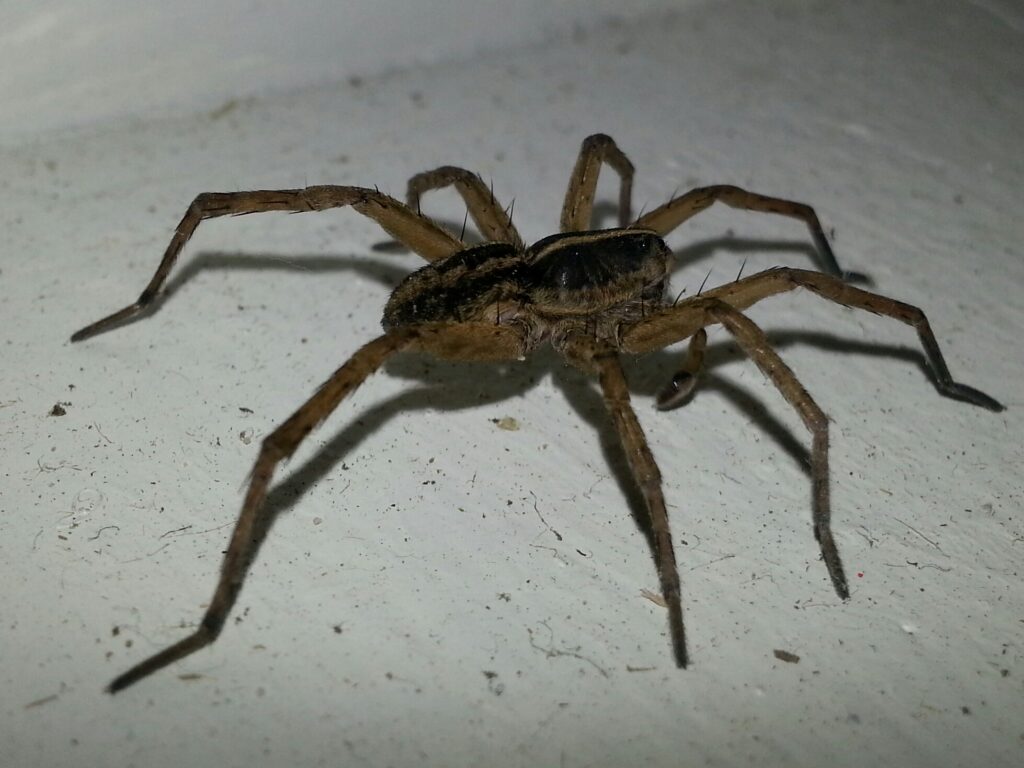
The Correct Way to Handle Canadian Spiders
Ideally, Canadian residents would prefer to never have to deal with any pests – it’s just better that way. Unfortunately, pests are pretty much everywhere, so dealing with them at some point in time is a reality. But if you had the opportunity to …

Avoiding Summer Pests in Canada
Warm weather and the long-awaited start of summer gives any Canadian a reason to celebrate. But the hot and humid summer weather also creates an ideal paradise for annoying pests. Following a few simple prevention-based tips can keep common pests …
Truly Nolen Canada Supports Crime Stoppers of Grey Bruce Inc. At Local Charity Golf Tournament
Dear Ms. Reinwald, On behalf of the Board of Directors of Crime Stoppers of Grey Bruce and the tournament organizers, I would like to express our sincere gratitude to you for donating a pest-proof mattress cover as an auction item toward our 22nd …