 As the temperatures drop, you may notice an increase in uninvited guests scurrying around your indoor garden. Rodents, driven indoors by the promise of warmth, food, and water, often find a cozy refuge among leafy green sanctuaries. These unassuming plant havens offer both sustenance and shelter, making your cherished indoor plants highly susceptible to rodent invasions. Not only can these critters cause unsightly damage to your foliage, but they can also pose significant health risks. Fortunately, with a few strategic preventive measures, you can guard your greens and keep these furry intruders at bay.
To protect your indoor plants from rodents, it's crucial to implement a multi-faceted approach. This involves creating a less inviting environment for these pests by maintaining cleanliness, sealing entry points, and removing potential nesting spots. Companies like Truly Nolen offer effective pest control solutions crafted to keep your home and its green spaces safe from unwanted visitors.
Throughout this guide, we'll explore proven strategies to safeguard your precious plants, answer pressing questions and discuss how easy it is to reclaim your peaceful indoor sanctuary.
As the temperatures drop, you may notice an increase in uninvited guests scurrying around your indoor garden. Rodents, driven indoors by the promise of warmth, food, and water, often find a cozy refuge among leafy green sanctuaries. These unassuming plant havens offer both sustenance and shelter, making your cherished indoor plants highly susceptible to rodent invasions. Not only can these critters cause unsightly damage to your foliage, but they can also pose significant health risks. Fortunately, with a few strategic preventive measures, you can guard your greens and keep these furry intruders at bay.
To protect your indoor plants from rodents, it's crucial to implement a multi-faceted approach. This involves creating a less inviting environment for these pests by maintaining cleanliness, sealing entry points, and removing potential nesting spots. Companies like Truly Nolen offer effective pest control solutions crafted to keep your home and its green spaces safe from unwanted visitors.
Throughout this guide, we'll explore proven strategies to safeguard your precious plants, answer pressing questions and discuss how easy it is to reclaim your peaceful indoor sanctuary.
Tip #1: Choose Rodent-Resistant Plants
 One of the simplest ways to deter rodents is to choose plants they naturally shy away from. Certain plants, like rosemary, mint, and lavender, emit strong scents that many rodents find unpleasant. These aromatic plants not only act as natural repellents but also add a lovely fragrance to your living space. Consider placing them strategically around your home to create a barrier that keeps rodents at bay while enhancing your indoor aesthetic.
While some plants repel rodents, others can inadvertently attract them. Plants with sweet-smelling blooms or fruits, such as citrus or fig trees, are like magnets for hungry critters. If you love these plants, it's crucial to monitor them closely. Ensure fallen fruits or blooms are promptly removed, and consider placing them in areas less accessible to rodents. Balancing your plant selection can significantly reduce the risk of attracting unwanted visitors.
One of the simplest ways to deter rodents is to choose plants they naturally shy away from. Certain plants, like rosemary, mint, and lavender, emit strong scents that many rodents find unpleasant. These aromatic plants not only act as natural repellents but also add a lovely fragrance to your living space. Consider placing them strategically around your home to create a barrier that keeps rodents at bay while enhancing your indoor aesthetic.
While some plants repel rodents, others can inadvertently attract them. Plants with sweet-smelling blooms or fruits, such as citrus or fig trees, are like magnets for hungry critters. If you love these plants, it's crucial to monitor them closely. Ensure fallen fruits or blooms are promptly removed, and consider placing them in areas less accessible to rodents. Balancing your plant selection can significantly reduce the risk of attracting unwanted visitors.
Tip #2: Store Plant Supplies Properly
The aroma of fertilizers and soil can be enticing to rodents searching for food. To prevent them from getting too cozy around your plants, store these supplies in sealed containers. An airtight container keeps the smells locked in and the rodents out. By managing these odours effectively, you reduce the chance of attracting pests to your plants and your home. Maintaining a clean potting area is essential. Spilled soil or plant food can be a tempting treat for rodents. After working with your plants, ensure the area is free of crumbs and debris. Regularly sweeping and wiping down surfaces not only keeps rodents away but also maintains a tidy and inviting space for you to enjoy your gardening activities.Tip #3: Use Physical Barriers
Physical barriers can be highly effective in protecting your plants. Consider using mesh screens or covers over the soil of your potted plants. These barriers can prevent rodents from digging through the soil and reaching the roots or bulbs of your plants. Not only do they serve as a defence against rodents, but they also help in retaining moisture within the soil. Raising your plants can serve as another deterrent. By placing pots on elevated surfaces or stands, you make it more challenging for rodents to access them. This simple adjustment can make a big difference, especially if you combine it with other protective measures. Elevating plants also adds a dynamic visual element to your indoor garden, creating layers and depth within your space.Tip #4: Eliminate Food and Water Sources Nearby
When it comes to keeping rodents at bay, ensuring there are no easily accessible food or water sources is crucial. Rodents are opportunistic feeders, and any open food items can act as an invitation for them to explore further into your indoor spaces. To effectively deter rodents, it's important to keep all potential food items out of reach. Securely store food and pet food in airtight containers, ensuring they are not left out overnight. The aroma of pet food, in particular, can be highly enticing to rodents. Similarly, water dishes should be kept away from plant areas, as curious rodents drawn to the scent of food may then venture toward your precious greens. By keeping food sources hidden and out of reach, you limit the attraction your indoor plants might hold for these uninvited guests. Moisture is another key attractant for rodents, making it essential to assess and address any water issues. Fix any indoor leaks promptly to remove potential watering holes for these pests. Additionally, ensure that plant saucers are regularly drained of excess water since damp conditions can lure in rodents seeking hydration. By maintaining a dry environment around your plants, you cultivate a space that's far less appealing to rodent intruders.Tip #5: Seal Entry Points in the Home
One effective strategy to deter rodents involves thoroughly inspecting and sealing any small cracks or gaps in your home. Gaps around windows, doors, and within walls can serve as unintentional gateways for crafty rodents, allowing them closer access to your cherished plants. By meticulously sealing these openings, you effectively form a barrier that limits their entry and advances your pest control efforts. Weatherproofing is another critical step in fortifying your home against rodents. Installing weather stripping along windows and door sweeps can block potential entry points, ensuring that these uninvited guests find it challenging to infiltrate your sanctuary. This simple yet effective preventive measure plays a vital role in maintaining a rodent-free environment while enhancing energy efficiency.Tip #6: Keep the Area Around Plants Clean
A clean environment is key to deterring rodents. Regularly cleaning the area around your indoor plants helps remove any plant debris, fallen leaves, or soil that might attract rodents. A tidy space is less appealing to pests and ensures that your plants remain the focal point of your indoor garden. While water is essential for plant health, excessive moisture can attract rodents. Striking the right balance by keeping the soil moist but not soggy is important. Overwatering not only poses a risk to your plants but also creates an environment that rodents might find attractive. Monitoring your watering routine can prevent these issues and promote healthy plant growth.Protect Your Indoor Plants from Rodents
To protect your indoor plants from rodents and stop them from causing damage, remember these key strategies: choose rodent-resistant plants like rosemary and mint, store plant supplies in airtight containers, and use physical barriers such as mesh screens to prevent access. Additionally, ensuring there are no food or water sources nearby, sealing entry points in your home, and maintaining a clean, dry environment around your plants are essential steps. These practical tips can make a significant difference in safeguarding your indoor greenery. For comprehensive solutions, consider enlisting the help of Truly Nolen Southwestern, experts in pest control dedicated to helping homeowners protect their residences from rodents and other unwelcome pests. Whether you're wondering, "What can I spray on my plants to keep rodents away?" or seeking professional guidance on rodent prevention, their our is ready to assist. Contact us to request a quote and learn more about how to effectively protect your indoor plants and maintain a peaceful home environment. With professional support, you can ensure that your green sanctuary remains rodent-free and flourishing.Related Posts
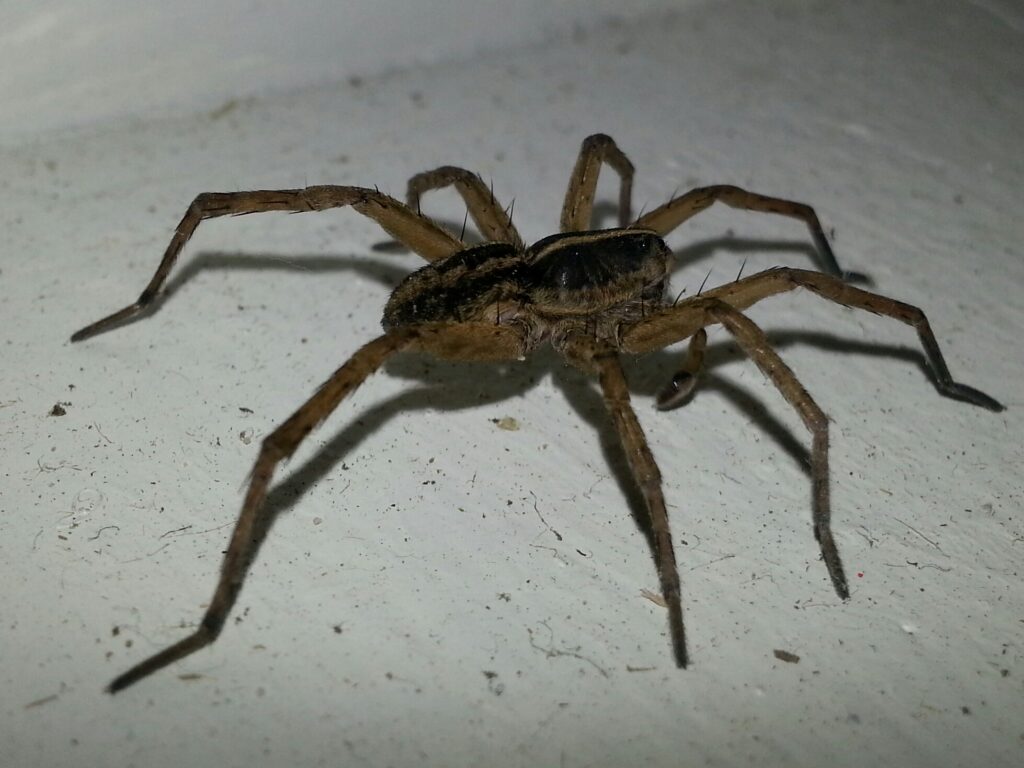
The Correct Way to Handle Canadian Spiders
Ideally, Canadian residents would prefer to never have to deal with any pests – it’s just better that way. Unfortunately, pests are pretty much everywhere, so dealing with them at some point in time is a reality. But if you had the opportunity to …

Avoiding Summer Pests in Canada
Warm weather and the long-awaited start of summer gives any Canadian a reason to celebrate. But the hot and humid summer weather also creates an ideal paradise for annoying pests. Following a few simple prevention-based tips can keep common pests …
Truly Nolen Canada Supports Crime Stoppers of Grey Bruce Inc. At Local Charity Golf Tournament
Dear Ms. Reinwald, On behalf of the Board of Directors of Crime Stoppers of Grey Bruce and the tournament organizers, I would like to express our sincere gratitude to you for donating a pest-proof mattress cover as an auction item toward our 22nd …