 Wolf spiders are a common sight in many homes, leading people to wonder, are wolf spiders dangerous? This species is large and fast-moving, making them appear more intimidating than they actually are. Unlike other species, wolf spiders do not spin webs to catch their prey.
Instead, they hunt for food, which primarily consists of insects. Understanding what wolf spiders eat can help demystify their presence in your home. Despite their menacing look, wolf spiders are not aggressive towards humans and their bites are rare.
However, if you are dealing with an infestation, it's important to know how to get rid of wolf spiders in Waterloo effectively. Truly Nolen’s professional pest control services can provide you with safe and efficient solutions to ensure your home is free from these unwanted guests. This approach not only addresses the immediate issue but also helps prevent future occurrences, giving you peace of mind and a safe living environment.
Wolf spiders are a common sight in many homes, leading people to wonder, are wolf spiders dangerous? This species is large and fast-moving, making them appear more intimidating than they actually are. Unlike other species, wolf spiders do not spin webs to catch their prey.
Instead, they hunt for food, which primarily consists of insects. Understanding what wolf spiders eat can help demystify their presence in your home. Despite their menacing look, wolf spiders are not aggressive towards humans and their bites are rare.
However, if you are dealing with an infestation, it's important to know how to get rid of wolf spiders in Waterloo effectively. Truly Nolen’s professional pest control services can provide you with safe and efficient solutions to ensure your home is free from these unwanted guests. This approach not only addresses the immediate issue but also helps prevent future occurrences, giving you peace of mind and a safe living environment.
Are Wolf Spiders Dangerous?
The question at the forefront of many homeowners' minds is whether wolf spiders are dangerous. The short answer is no; this species is not considered dangerous to humans. While they are capable of biting if provoked, such incidents are rare and usually only occur when the spider feels cornered or threatened. Wolf spider bites are not medically significant for most people. The symptoms are typically mild and may include redness, swelling, and itching at the bite site. In rare cases, some individuals might experience more severe reactions, such as nausea or dizziness. However, these instances are uncommon, and wolf spider bites are generally no more harmful than a bee sting. It's also worth noting that wolf spiders do not pose a structural threat to your home. They do not cause damage to property or belongings, as their primary focus is on hunting insects. By preying on pests like ants, beetles, and other small insects, wolf spiders can actually contribute to keeping your home free of unwanted bugs.The Basics Of Wolf Spiders
Wolf spiders belong to the family Lycosidae, known for their keen hunting skills. Unlike many other species that spin webs to catch prey, wolf spiders actively hunt their food. You might find them in various environments, from forests and fields to residential areas. These spiders are generally brown or grey and have a robust, hairy appearance. Their excellent eyesight aids them in hunting, thanks to their eight eyes arranged in three distinct rows. One reason wolf spiders stand out is their size. They can grow up to an inch and a half in body length, not including their legs, making them one of the larger species. Their size, coupled with their speed and agility, can make them appear menacing. However, it's important to remember that their primary goal is to hunt insects, not to harm humans. Despite their intimidating appearance, wolf spiders are generally not aggressive. They will often try to flee when they feel threatened rather than confront the perceived danger. This behaviour reduces the likelihood of bites, as they prefer to avoid conflicts with larger creatures like humans.What Do Wolf Spiders Eat?
Understanding the diet of wolf spiders can help demystify their presence in and around your home. These spiders are carnivorous hunters that rely on their keen senses to locate and capture prey. Their diet primarily consists of insects and other small arthropods, making them beneficial in controlling pest populations. Wolf spiders use their excellent eyesight and agility to stalk and ambush their prey. They often hunt at night, relying on their natural camouflage to remain undetected until they strike. Common prey items include ants, beetles, grasshoppers, and even other spiders. By consuming these pests, wolf spiders play a valuable role in maintaining ecological balance. Interestingly, wolf spiders exhibit maternal care, with female spiders carrying their egg sacs attached to their spinnerets until the eggs hatch. Once the spiderlings emerge, they climb onto their mother's back and remain there until they are ready to venture out on their own. This behaviour is unique among spiders and highlights the intricate life cycle of wolf spiders. While wolf spiders' hunting habits are beneficial for controlling insect populations, their presence indoors can be unsettling. If you find wolf spiders in your home, it's likely because they are seeking food or shelter. Addressing the root cause of their presence, such as reducing insect populations and sealing entry points, can help minimize encounters with these spiders.How to Get Rid of Wolf Spiders in Waterloo
 If you're dealing with wolf spiders in your home, particularly in Waterloo, it's essential to take proactive steps to address the issue. While these spiders are not dangerous, their presence can still be unnerving. Here are some effective strategies to help you get rid of wolf spiders and prevent their return.
Wolf spiders often enter homes through small cracks and openings in doors, windows, and foundations. Conduct a thorough inspection of your home to identify potential entry points. Seal any gaps or cracks with caulk, weatherstripping, or other appropriate materials. Installing door sweeps and window screens can also help keep spiders and other pests outside.
Wolf spiders are attracted to cluttered areas where they can find shelter and prey. Keep your home tidy by reducing clutter, especially in basements, garages, and storage areas. Regularly clean and vacuum these spaces to remove any hiding spots and potential food sources for spiders.
Maintaining a clean and sanitary environment is crucial for preventing spider infestations. Regularly vacuum and dust your home to remove spider webs, egg sacs, and potential prey. Pay special attention to corners, baseboards, and other areas where spiders might hide. Additionally, consider using a dehumidifier in damp areas, as spiders are attracted to moisture.
If you're dealing with wolf spiders in your home, particularly in Waterloo, it's essential to take proactive steps to address the issue. While these spiders are not dangerous, their presence can still be unnerving. Here are some effective strategies to help you get rid of wolf spiders and prevent their return.
Wolf spiders often enter homes through small cracks and openings in doors, windows, and foundations. Conduct a thorough inspection of your home to identify potential entry points. Seal any gaps or cracks with caulk, weatherstripping, or other appropriate materials. Installing door sweeps and window screens can also help keep spiders and other pests outside.
Wolf spiders are attracted to cluttered areas where they can find shelter and prey. Keep your home tidy by reducing clutter, especially in basements, garages, and storage areas. Regularly clean and vacuum these spaces to remove any hiding spots and potential food sources for spiders.
Maintaining a clean and sanitary environment is crucial for preventing spider infestations. Regularly vacuum and dust your home to remove spider webs, egg sacs, and potential prey. Pay special attention to corners, baseboards, and other areas where spiders might hide. Additionally, consider using a dehumidifier in damp areas, as spiders are attracted to moisture.
Professional Pest Control Services
While DIY methods can be effective, enlisting the help of professional pest control services can provide peace of mind and ensure long-term solutions. At Truly Nolen, we specialize in comprehensive pest control strategies tailored to your specific needs. Our team of experts is equipped to handle infestations and other pest issues with precision and care. Our approach begins with a thorough inspection to identify the extent of the infestation and potential entry points. We then implement targeted treatments that are safe for your family and pets. Our goal is to provide lasting results while minimizing the impact on the environment. With Truly Nolen, you can trust that your home is in capable hands. In addition to addressing current infestations, our services include preventive measures to keep pests at bay. Regular inspections and treatments can help maintain a pest-free environment, allowing you to enjoy your home without worry. When it comes to pest control, Truly Nolen is your trusted partner.Why Choose Truly Nolen for Pest Control?
When it comes to pest control, choosing the right provider is crucial for effective and lasting results. At Truly Nolen, we pride ourselves on our commitment to excellence and customer satisfaction. Here are a few reasons why we are the best choice for pest control services: With decades of experience in the pest control industry, Truly Nolen has developed a reputation for excellence. Our team of highly trained professionals possesses in-depth knowledge of pest behaviour and control methods. We stay up-to-date with the latest advancements in the field to ensure that our customers receive the best possible service. At Truly Nolen, we offer a wide range of pest control services to address various pest issues. Whether you're dealing with spiders, ants, rodents, or other pests, we have the expertise to provide effective solutions. Our comprehensive approach includes inspection, treatment, and prevention, ensuring that your home remains pest-free. The safety of our customers and the environment is our top priority. We use eco-friendly products and techniques that are both effective and safe for your family and pets. Our treatments are designed to minimize environmental impact while delivering maximum results. With Truly Nolen, you can have peace of mind knowing that your home is protected responsibly.A Reliable Solution
In conclusion, wolf spiders may seem intimidating, but they are not dangerous to humans. Their primary role in the ecosystem is to control insect populations, making them beneficial in many ways. While their presence in your home can be unsettling, taking proactive steps to reduce clutter, seal entry points, and maintain a clean environment can help minimize encounters with these spiders. For homeowners in Waterloo dealing with wolf spiders, professional pest control services from Truly Nolen offer a reliable and effective solution. Our expertise, comprehensive approach, and commitment to safety make us the best choice for addressing pest issues and maintaining a pest-free home. Don't let the presence of wolf spiders disrupt your peace of mind. Contact Truly Nolen today to schedule a consultation and take the first step towards a pest-free home.Related Posts
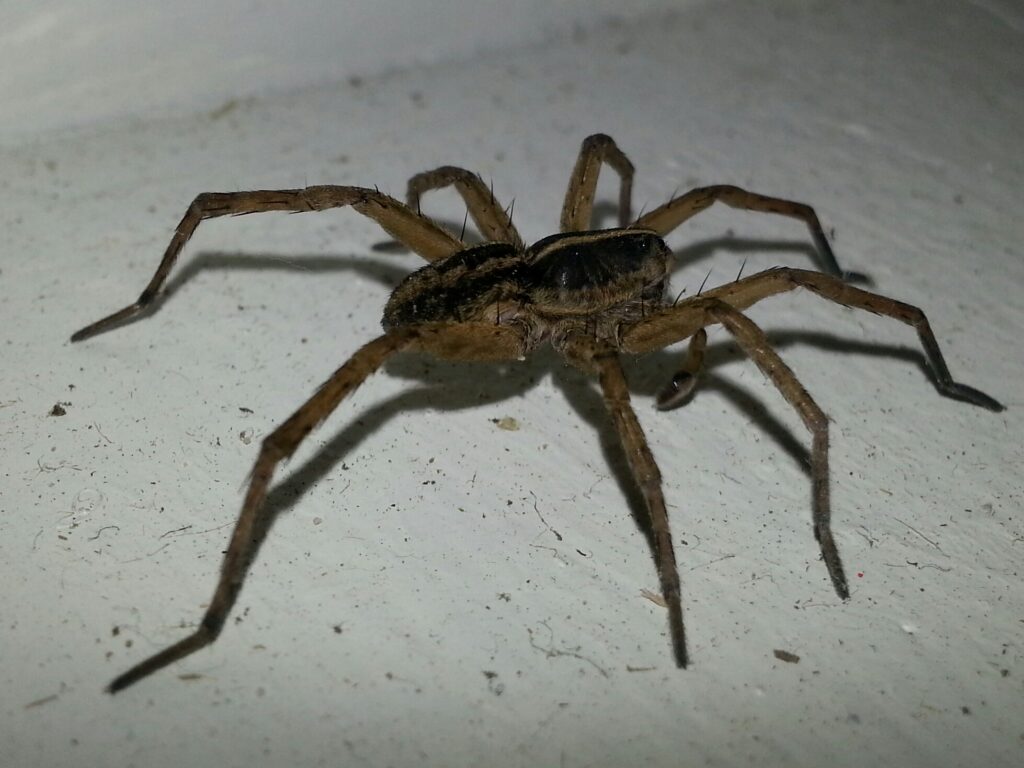
The Correct Way to Handle Canadian Spiders
Ideally, Canadian residents would prefer to never have to deal with any pests – it’s just better that way. Unfortunately, pests are pretty much everywhere, so dealing with them at some point in time is a reality. But if you had the opportunity to …

Avoiding Summer Pests in Canada
Warm weather and the long-awaited start of summer gives any Canadian a reason to celebrate. But the hot and humid summer weather also creates an ideal paradise for annoying pests. Following a few simple prevention-based tips can keep common pests …
Truly Nolen Canada Supports Crime Stoppers of Grey Bruce Inc. At Local Charity Golf Tournament
Dear Ms. Reinwald, On behalf of the Board of Directors of Crime Stoppers of Grey Bruce and the tournament organizers, I would like to express our sincere gratitude to you for donating a pest-proof mattress cover as an auction item toward our 22nd …