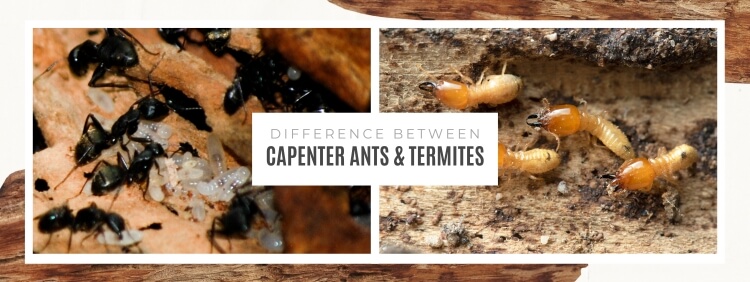
 In the quiet suburban sprawl of Burlington, homeowners stand on the front lines of a silent and insidious battle: the perpetual war between wood and insects. The key combatants, termites and carpenter ants, are often mistakenly interchanged, yet their differences are as stark as night and day. Understanding whether your home is under siege by the wood-consuming ferocity of termites or the burrowing might of carpenter ants is critical.
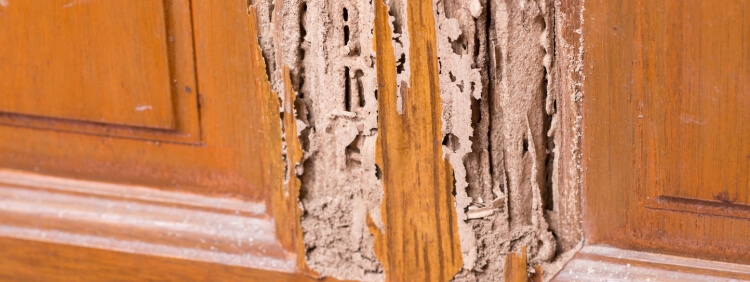
It begins with the telltale signs—termites vs carpenter ants? Termites leave a trail of powdery detritus, a grim echo of what once was, while carpenter ants fashion smooth tunnels, the galleries of their wooden labyrinths. It's not merely a matter of how to identify carpenter ants but recognizing the call to action they represent. Understanding these critical nuances is the first step in implementing effective pest control in Burlington, safeguarding your haven from these concealed adversaries.
In the quiet suburban sprawl of Burlington, homeowners stand on the front lines of a silent and insidious battle: the perpetual war between wood and insects. The key combatants, termites and carpenter ants, are often mistakenly interchanged, yet their differences are as stark as night and day. Understanding whether your home is under siege by the wood-consuming ferocity of termites or the burrowing might of carpenter ants is critical.
It begins with the telltale signs—termites vs carpenter ants? Termites leave a trail of powdery detritus, a grim echo of what once was, while carpenter ants fashion smooth tunnels, the galleries of their wooden labyrinths. It's not merely a matter of how to identify carpenter ants but recognizing the call to action they represent. Understanding these critical nuances is the first step in implementing effective pest control in Burlington, safeguarding your haven from these concealed adversaries.
The Intriguing Differences between Carpenter Ants and Termites
Carpenter ants and termites share some similarities in terms of habitat preference. They both tend to prefer damp and rotting wood to set up their colonies. However, several key differences lie under the surface. Carpenter ants, for instance, are primarily nocturnal creatures. What's more, they don't actually consume wood like termites do; instead, they excavate wood to make room for their nests, leaving behind a sawdust-like material known as frass. When you see small piles of this frass, it's usually a clear sign of a carpenter ant infestation. On the other hand, termites are known for their voracious wood-eating habits. Unlike the carpenter ants, they consume the wood to extract the cellulose it contains, which is a major part of their diet. This characteristic not only makes termites highly destructive but also easily identifiable by their different types of droppings, varying from tiny wood-coloured pellets to a substance that looks like damp wood. Furthermore, a key visual distinction between the two is their body structure. Carpenter ants have a segmented body with a slim waistline, whereas termites have a thicker waist and their body appears more streamlined. Furthermore, Carpenter ants have bent antennae while termites have straight antennae. This allows for easy visual identification, should you come across one or the other. Understanding these differences is essential in creating a comprehensive action plan for combating either of these pests. That's where the professional expertise of Truly Nolen steps in.Truly Nolen's Approach to Carpenter Ants
As an industry-leading pest control solution, Truly Nolen places a great deal of importance on the effective treatment of carpenter ant infestations. Our strategies are not only designed to address immediate issues but also to manage the risk of recurring infestations. First, our highly trained technicians begin with a thorough responsive inspection. By using specialized equipment, we can locate carpenter ant nests within your property's structures, identifying the scale of the problem and determining the most effective course of action. Next, we utilize a targeted treatment method. The application of non-repellent products allows us to reach ants directly at their source. This efficient approach ensures the elimination of entire colonies, rather than just individual ants sighted. But our efforts do not stop at direct treatment. We understand that effective pest control needs a forward-thinking strategy. As part of our comprehensive service, we work with property owners to identify potential triggers for infestations, such as moisture problems and food sources, and suggest preventative measures to limit future infestations.Truly Nolen's Response to Termites
 As a leading pest control provider, Truly Nolen identifies the unique qualities and behaviours of termites in comparison to carpenter ants. We use advanced techniques to stop them from damaging your property.
Termites, unlike carpenter ants, are notorious for their tunnelling habits. They delight in burrowing into the wooden structures of your home, weakening its foundation and structure. But you can rest assured. With Truly Nolen's dedicated and experienced team on the case, these pests won’t stand a chance.
We initiate our termite control process by carrying out an exhaustive inspection. Our experts carefully examine your home for signs of termites such as mud tubes, discarded wings, cracked or bubbling paint, hollow-sounding wood, and more. Using these signs, we determine the severity of invasion, and accordingly devise an effective plan to remove them completely.
We use methods like soil treatment, wood treatment and baits to manage termite issues. Our approach involves creating a chemical barrier around your home, which keeps the termites from further invading your property. We also treat infected wood directly and strategically place bait stations to monitor termite activity.
As a leading pest control provider, Truly Nolen identifies the unique qualities and behaviours of termites in comparison to carpenter ants. We use advanced techniques to stop them from damaging your property.
Termites, unlike carpenter ants, are notorious for their tunnelling habits. They delight in burrowing into the wooden structures of your home, weakening its foundation and structure. But you can rest assured. With Truly Nolen's dedicated and experienced team on the case, these pests won’t stand a chance.
We initiate our termite control process by carrying out an exhaustive inspection. Our experts carefully examine your home for signs of termites such as mud tubes, discarded wings, cracked or bubbling paint, hollow-sounding wood, and more. Using these signs, we determine the severity of invasion, and accordingly devise an effective plan to remove them completely.
We use methods like soil treatment, wood treatment and baits to manage termite issues. Our approach involves creating a chemical barrier around your home, which keeps the termites from further invading your property. We also treat infected wood directly and strategically place bait stations to monitor termite activity.
Choosing Truly Nolen for Effective Pest Control Services
At Truly Nolen Canada, our reputation for effectively managing both carpenter ants and termites is underpinned by our vast experience and knowledge of pests and their behaviour. Understanding the unique challenge each of these pests provides aids in developing focused and result-oriented strategies for their control. One of the primary factors that sets Truly Nolen apart is our ability to accurately identify the type of pest we're dealing with and their existing colonies. Both carpenter ants and termites have distinct characteristics and behaviours, and being able to distinguish between them is paramount in determining the most suitable treatment. After all, what works perfectly for termites may not be as effective for carpenter ants, and vice versa. Moreover, Truly Nolen's approach is not only about eradicating the pests but also about preventing their return. Our technicians thoroughly inspect your home or business not only for visible signs of infestation but also for conditions conducive to their growth and survival. In response, our team devises a multitiered treatment plan that targets the pests, their nests, and the conditions that aid their existence. This holistic approach to pest control effectively minimizes the likelihood of future infestations. Certain species, like the carpenter ants, are known to establish satellite colonies away from the primary one. Truly Nolen's inspection process is careful and exhaustive to track down these offshoot nests and to destroy them entirely. No area is left unexamined; from voids and spaces within walls, beneath floors, or in your yard - anywhere these pests are likely to build colonies. Likewise, our approach to termites is just as thorough. We understand the significant damage they can cause and the urgency required in addressing their presence. In terms of treatment, we use cutting-edge technologies and innovative methods to neutralize carpenter ants and termites effectively. We utilize the most advanced pest control practices, including foam applications, gel baiting systems, and the utilization of "green" or non-toxic solutions where available. Each of these techniques is specifically designed to target the particular pest without affecting the health and safety of your family or the environment. Managing both carpenter ants and termites requires a lot more than just knowledge and technology. It requires dedication and a genuine commitment. At Truly Nolen Canada, we're not just about making a sale; we're dedicated to creating pest-free and safe environments, which are vital for our clients' peace of mind. We pride ourselves on excellent customer service, timely response, and the ability to handle pest situations of any size or complexity. In summary, choosing Truly Nolen in Burlington for your carpenter ant and termite concern means choosing peace of mind. This choice supports a proactive approach, backed by careful and knowledgeable planning, effective application of treatments, and a commitment to achieving the best possible results. The unique challenges these pests pose call for an equally unique solution, and Truly Nolen is undoubtedly up to the task. Let our pest control services give you peace of mind. At Truly Nolen, we are committed to protecting your home and ensuring it remains pest-free. Don’t hesitate to contact us for more information or to schedule an inspection.Related Posts
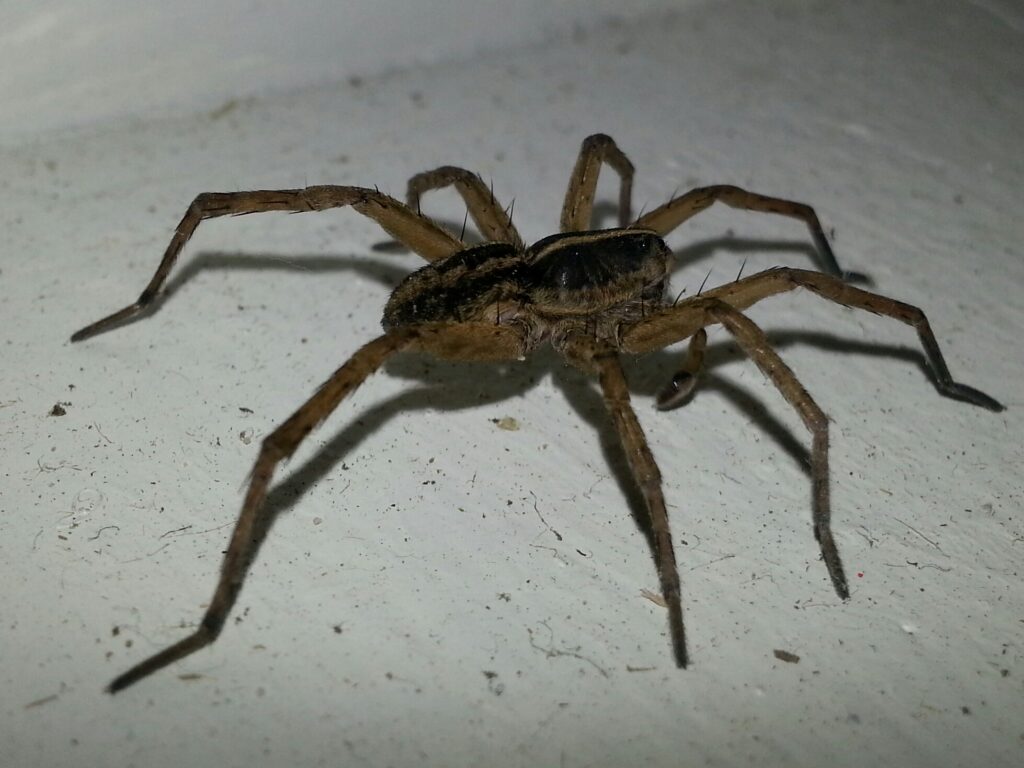
The Correct Way to Handle Canadian Spiders
Ideally, Canadian residents would prefer to never have to deal with any pests – it’s just better that way. Unfortunately, pests are pretty much everywhere, so dealing with them at some point in time is a reality. But if you had the opportunity to …

Avoiding Summer Pests in Canada
Warm weather and the long-awaited start of summer gives any Canadian a reason to celebrate. But the hot and humid summer weather also creates an ideal paradise for annoying pests. Following a few simple prevention-based tips can keep common pests …
Truly Nolen Canada Supports Crime Stoppers of Grey Bruce Inc. At Local Charity Golf Tournament
Dear Ms. Reinwald, On behalf of the Board of Directors of Crime Stoppers of Grey Bruce and the tournament organizers, I would like to express our sincere gratitude to you for donating a pest-proof mattress cover as an auction item toward our 22nd …