 Some tales become so ingrained in our culture that we never pause to question their authenticity. One such tale is that of mice and their supposed love for cheese. But when it comes to what mice eat, it turns out that these tiny rodents' nests are more likely to be stocked with grains and seeds than wedges of cheddar.
Experts affirm that while mice won't snub a piece of cheese left in a trap, their natural eating habits lean towards a more varied and less dairy-heavy diet. This preference for a diverse palate ensures their survival in both rural and urban settings, and underscores the importance of proper food storage and disposal in keeping your home rodent-free.
With Truly Nolen's reliable services for pest Control in Guelph, homeowners can ensure their sanctuary remains uncompromised by unwanted guests, maintaining a serene and safe habitat for all.
Some tales become so ingrained in our culture that we never pause to question their authenticity. One such tale is that of mice and their supposed love for cheese. But when it comes to what mice eat, it turns out that these tiny rodents' nests are more likely to be stocked with grains and seeds than wedges of cheddar.
Experts affirm that while mice won't snub a piece of cheese left in a trap, their natural eating habits lean towards a more varied and less dairy-heavy diet. This preference for a diverse palate ensures their survival in both rural and urban settings, and underscores the importance of proper food storage and disposal in keeping your home rodent-free.
With Truly Nolen's reliable services for pest Control in Guelph, homeowners can ensure their sanctuary remains uncompromised by unwanted guests, maintaining a serene and safe habitat for all.
Exploring the Mouse and its Cheese Affection
The historical association of mice with cheese, popularized by animations and folklore, stems from medieval Europe's era of food scarcity. In tales of abundance, cheese symbolized luxury and fine dining, with mice depicted as symbolic connoisseurs. However, in reality, mice are opportunistic omnivores influenced more by their environment than by a specific fondness for cheese or any other food type. Modern house mice, descendants of wild species with diverse dietary habits, rely on a broad range of foods for sustenance, including grains, nuts, seeds, and occasional meaty proteins like insects or pet food. While mice may nibble on cheese if available, studies suggest they typically prefer grains, cereals, and high-carbohydrate foods over dairy products. Understanding mice's dietary preferences can aid homeowners in managing potential food sources that attract these pests.Tracking the Traces of Mouse Presence
Mice are notorious for their stealth and their ability to leave unsightly trails of evidence of their presence. Understanding where to look and what signs to watch for is fundamental in catching the infestation early and ensuring it's nipped in the bud. More than just an inconvenience, mouse droppings relay a tale of a mouse’s population size and preferred habitats within your home. Fresh droppings, usually moist and darker, reveal an apparent infestation, indicating an active nest nearby. The eerie sound of pattering feet across the ceiling or walls is not to be ignored. Alongside the audible, mice can also be detected by their behaviour, often preferring to travel alongside walls or other objects due to their poor vision and the need for navigation landmarks. Mice are excellent homemakers, utilizing materials they can find within their immediate surroundings. A classic mice favourite for constructing nests are insulatory materials, fabrics, and shredded paper. Detecting such material in unusual piles or holes can point to a newfound mouse residence. But where are rodent's nests commonly found? Mice colonies prefer warm, dry areas that provide ample shelter and a source of water. These nests can be found in wall voids, crawl spaces, attics, basements, or even inside furniture.
Essential Strategies to Keep Mice Away
In securing homes against mice, addressing food attractants such as fatty foods and meats is crucial. Properly sealing garbage bins, pet food containers, and maintaining pantry hygiene are essential measures in deterring mouse infestations. In addition to addressing food attractants like fatty foods and meats, there are further steps homeowners can take to effectively secure their homes against mice. Properly sealing all entry points, such as cracks, crevices, gaps around pipes, and vents, helps prevent mice from gaining access to the interior of the house. Using steel wool or caulk to seal these openings ensures a tight barrier that rodents cannot penetrate. Regularly inspecting the exterior of the home for any signs of damage or potential entry points is also crucial. Trim back vegetation and branches that may provide mice with easy access to the house. Keeping a tidy yard free of debris and clutter reduces hiding spots for mice and discourages nesting near the property. Implementing a comprehensive cleaning routine that includes regularly vacuuming, sweeping, and mopping floors helps eliminate crumbs and food residues that can attract mice. Pay special attention to areas where food is prepared or consumed, as well as storage areas like cupboards and pantries. Store food in airtight containers made of metal or glass to prevent contamination and access by rodents. Consider using humane traps or enlisting the services of professional pest control experts for ongoing monitoring and prevention. These measures, combined with a vigilant approach to maintenance and cleanliness, form a robust defense against mouse infestations and help maintain a hygienic and pest-free living environment.Why Choose Truly Nolen for Pest Removal
Truly Nolen's renowned reputation in Guelph as a trusted pest control partner is not by accident. Our tailored solutions and commitment to environmentally responsible practices have set us apart in the pest control industry. Here's what makes us the best choice when battling mice invasions in Guelph. Our team of skilled professionals boasts years of expertise in identifying, managing, and preventing mice infestations in Guelph homes. We understand the local nuances and the specific challenges that come with providing pest control services in our community. We firmly believe in an approach that considers the bigger picture and seek to not only address the immediate issue but to maintain a harmonious, pest-free environment over time. We are committed to using products and methods that are safe for both the environment and your family. Our pest control solutions are designed to leave the smallest ecological footprint while ensuring the most significant impact on the pests that invade your space. Our trusted reputation is built on the quality of service and results we deliver. We go above and beyond to ensure you are satisfied and your home is pest-free, employing the latest technology and techniques to achieve this. Truly Nolen is not just a name; we are part of the local community, serving our neighbours with the utmost care and respect. We offer personalized services, tailoring our approach to meet the unique needs of your home and family.Partnering with Truly Nolen for Pest Control in Guelph
When it comes to addressing mouse-related concerns in Guelph, Truly Nolen stands out as a reputable, compassionate, and dependable pest control service. Our focus goes beyond mere pest removal; we strive to restore your peace of mind, ensuring that your home remains a sanctuary free from unwelcome intruders. With a commitment to safety, effectiveness, and customer satisfaction, we are the preferred choice for homeowners who prioritize the security and comfort of their living spaces. Contact Truly Nolen today to initiate the process of reclaiming your home from mice seeking cheese and causing potential harm. Recognize that a solitary nibble may indicate curiosity, but a persistent presence suggests a more significant infestation problem. Trust our professional guidance and unparalleled expertise to address every crumb—and every mouse—meticulously, safeguarding your dwelling effectively. Rest assured with Truly Nolen; your home is in capable hands, guaranteed. Schedule your consultation now to bid farewell to these intruders, paving the way for peace and security to prevail in your residence.Related Posts
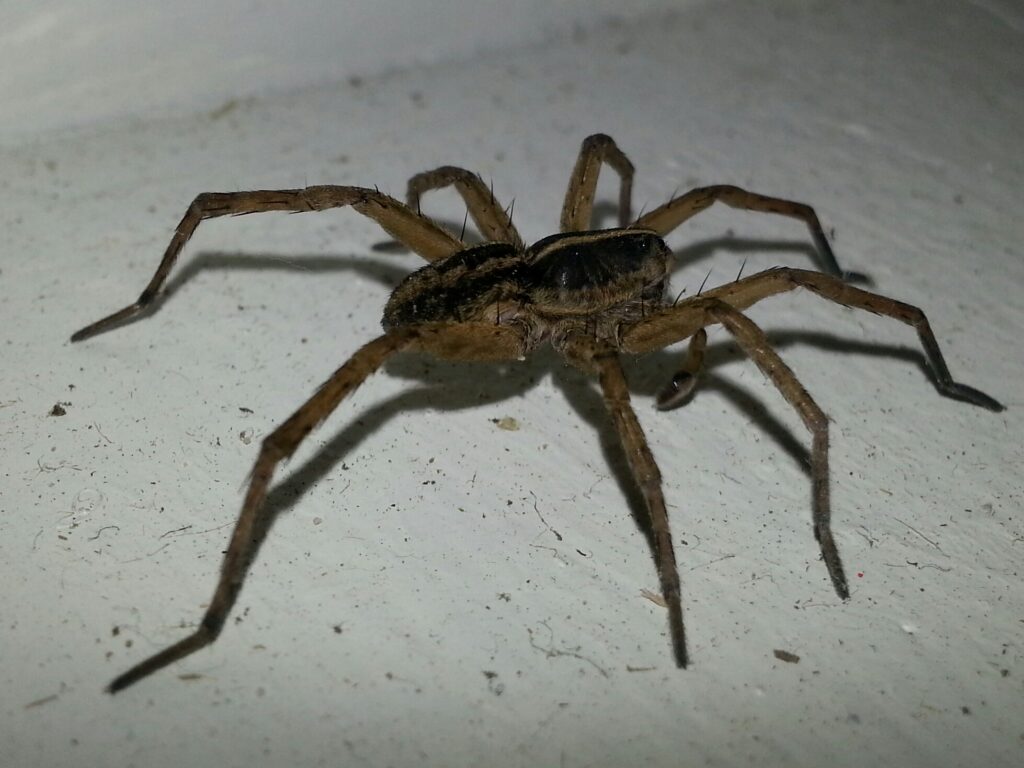
The Correct Way to Handle Canadian Spiders
Ideally, Canadian residents would prefer to never have to deal with any pests – it’s just better that way. Unfortunately, pests are pretty much everywhere, so dealing with them at some point in time is a reality. But if you had the opportunity to …

Avoiding Summer Pests in Canada
Warm weather and the long-awaited start of summer gives any Canadian a reason to celebrate. But the hot and humid summer weather also creates an ideal paradise for annoying pests. Following a few simple prevention-based tips can keep common pests …
Truly Nolen Canada Supports Crime Stoppers of Grey Bruce Inc. At Local Charity Golf Tournament
Dear Ms. Reinwald, On behalf of the Board of Directors of Crime Stoppers of Grey Bruce and the tournament organizers, I would like to express our sincere gratitude to you for donating a pest-proof mattress cover as an auction item toward our 22nd …