 Mice can be an unexpected and unwelcome guest in many homes, posing both health risks and structural damage. Understanding the different types of mice that may infiltrate your space is crucial for effective pest management. Unlike rats, which are larger and more aggressive, mice can squeeze through incredibly tiny openings—sometimes as small as a dime. This ability to slip through minuscule gaps often leaves homeowners perplexed, wondering how do mice get into a house in the first place.
With their keen sense of smell and agile bodies, these pests can navigate through various entry points, including foundation cracks, vents, and even gaps around doors and windows. Differentiating between a rat vs mouse infestation can help tailor the most effective removal strategies, ensuring your home remains a safe and comfortable haven. By addressing these issues with professional expertise, you can mitigate the risks and maintain a pest-free environment.
At Truly Nolen, we specialize in providing comprehensive pest control solutions that ensure your home remains safe and mouse-free.
Mice can be an unexpected and unwelcome guest in many homes, posing both health risks and structural damage. Understanding the different types of mice that may infiltrate your space is crucial for effective pest management. Unlike rats, which are larger and more aggressive, mice can squeeze through incredibly tiny openings—sometimes as small as a dime. This ability to slip through minuscule gaps often leaves homeowners perplexed, wondering how do mice get into a house in the first place.
With their keen sense of smell and agile bodies, these pests can navigate through various entry points, including foundation cracks, vents, and even gaps around doors and windows. Differentiating between a rat vs mouse infestation can help tailor the most effective removal strategies, ensuring your home remains a safe and comfortable haven. By addressing these issues with professional expertise, you can mitigate the risks and maintain a pest-free environment.
At Truly Nolen, we specialize in providing comprehensive pest control solutions that ensure your home remains safe and mouse-free.
Rat vs. Mouse: Key Differences
Before we dive into how mice infiltrate your home, it's essential to understand the various types of mice that might be causing trouble. In Guelph, the most common types of mice you'll encounter are the house mouse and the deer mouse. The house mouse is small, usually grey or light brown, with a slightly pointed nose and large ears. These mice are notorious for their adaptability and can thrive in various environments, making them the most common type of mouse found in homes. On the other hand, the deer mouse is slightly larger, with a more distinct two-toned colouring—typically brown on top and white underneath. Deer mice are more commonly found in rural areas, but they can still find their way into homes, especially those near fields or wooded areas. It's also helpful to distinguish between mice and rats, as these pests require different approaches to control. While both rodents can cause problems, they have distinct differences in appearance and behaviour. Mice are generally smaller, with slender bodies, and they tend to have longer tails in proportion to their bodies. They are curious creatures, often exploring new environments and food sources. Rats, on the other hand, are larger, with thicker bodies and shorter tails relative to their size. They are more cautious and typically avoid new objects in their environment. Recognizing these differences is important because the strategies for dealing with mice often differ from those used for rats. At Truly Nolen, our experts are trained to identify and address the specific pest issue you're facing, ensuring the most effective solution.How Do Mice Get Into a House?
Now that we've covered the basics of identifying different types of mice, let's explore how these rodents manage to enter your home. Mice are incredibly resourceful and can squeeze through tiny openings, making it challenging to keep them out entirely. Here are some common ways mice find their way inside:- Gaps and Cracks: Mice can squeeze through gaps and cracks as small as a quarter of an inch. These openings are often found around windows, doors, and utility lines. Even the smallest gap can serve as an entry point for these persistent pests.
- Vents and Chimneys: Openings like vents and chimneys provide easy access for mice. If these are not properly sealed or screened, they can become convenient entry points.
- Foundation and Basement: Mice can burrow under foundations or find cracks in basement walls to gain entry. Basements provide a warm and sheltered environment, making them an attractive target for mice.
- Roof and Attic: Overhanging branches or vines can provide a pathway for mice to reach your roof. Once there, they can find gaps in shingles, vents, or eaves to enter the attic.
- Doors and Windows: Doors and windows that are not properly sealed or left open can invite mice into your home. Weather stripping and proper sealing are key to preventing this.

Mice Removal and Prevention with Truly Nolen's Four Seasons Program
When it comes to dealing with a mouse infestation, professional intervention is the most reliable solution. At Truly Nolen, we pride ourselves on our expertise and commitment to ensuring your home remains safe and pest-free. Our team begins with a thorough inspection of your property to identify entry points, signs of infestation, and potential vulnerabilities. This detailed assessment allows us to develop a customized plan tailored to your specific needs. We employ the latest and most effective techniques for mice removal, ensuring that we not only eliminate the current infestation but also prevent future occurrences. Truly Nolen goes beyond just removing the mice. We implement preventative measures to seal entry points and make your home less attractive to rodents. This proactive approach helps ensure that once the mice are gone, they stay gone. Truly Nolen Canada's Four Seasons Program offers comprehensive, year-round protection to help homeowners keep mice out of their homes. This proactive service adapts to the changing seasons, addressing the specific behaviors and entry points of mice throughout the year. By combining regular inspections, customized treatments, and expert advice, the program effectively prevents infestations before they start. With Truly Nolen's Four Seasons Program, you can ensure a mouse-free home and enjoy peace of mind knowing your property is protected all year long.Experience the Truly Nolen Difference
While it might be tempting to tackle a mouse problem on your own, DIY methods often fall short. Store-bought traps and repellents may provide temporary relief, but they rarely address the root cause of the infestation. Mice are prolific breeders, and a few remaining individuals can quickly repopulate your home. Professional pest control services like those offered by Truly Nolen provide a comprehensive and effective solution. Our expertise and resources ensure that we can handle even the most challenging infestations, giving you peace of mind and a mouse-free home. Dealing with a mouse infestation requires prompt and decisive action. Understanding how mice find their way into your home is the first step in preventing and addressing these unwelcome guests. At Truly Nolen, we are committed to providing the highest level of service, ensuring that your home remains safe, healthy, and mouse-free. If you suspect a mouse problem or want to take preventative measures, don't hesitate to contact us. Our team of experts is ready to help you reclaim your home and protect it from future infestations. Reach out to Truly Nolen in Guelph today and experience the difference that professional pest control can make. Your home deserves the best protection, and we're here to provide it. Let's work together to ensure a safe, comfortable, and mouse-free environment for you and your family.Related Posts
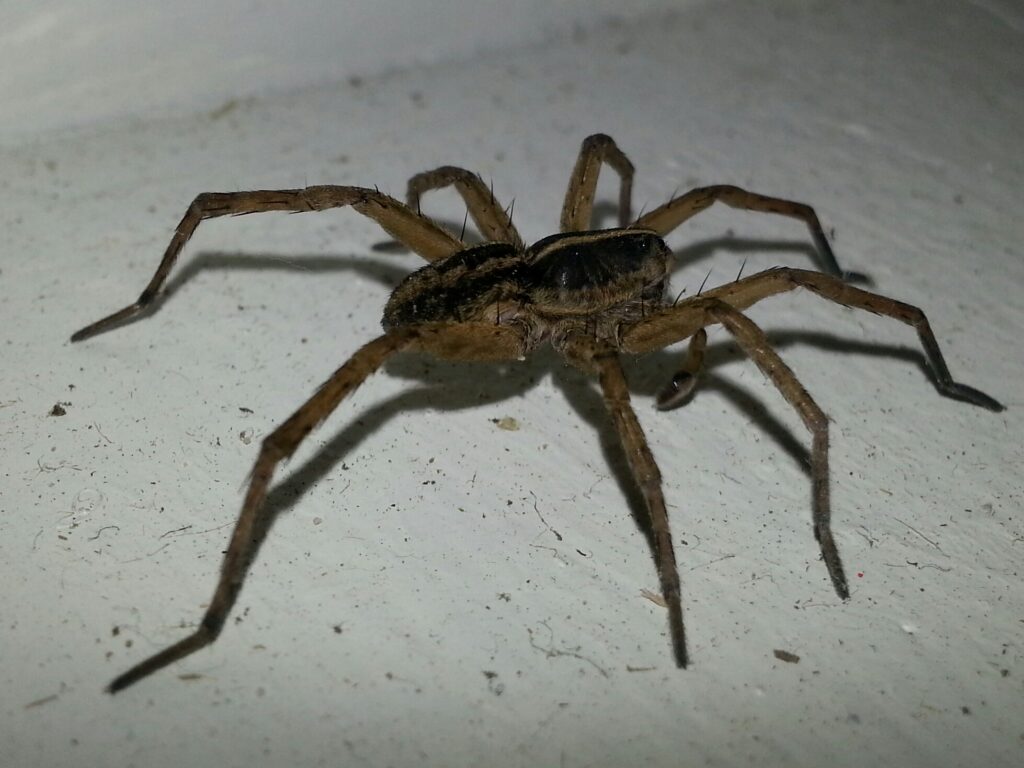
The Correct Way to Handle Canadian Spiders
Ideally, Canadian residents would prefer to never have to deal with any pests – it’s just better that way. Unfortunately, pests are pretty much everywhere, so dealing with them at some point in time is a reality. But if you had the opportunity to …

Avoiding Summer Pests in Canada
Warm weather and the long-awaited start of summer gives any Canadian a reason to celebrate. But the hot and humid summer weather also creates an ideal paradise for annoying pests. Following a few simple prevention-based tips can keep common pests …
Truly Nolen Canada Supports Crime Stoppers of Grey Bruce Inc. At Local Charity Golf Tournament
Dear Ms. Reinwald, On behalf of the Board of Directors of Crime Stoppers of Grey Bruce and the tournament organizers, I would like to express our sincere gratitude to you for donating a pest-proof mattress cover as an auction item toward our 22nd …