 Carpenter ants can be a real nuisance, especially when they start making themselves at home in your space. Understanding what attracts carpenter ants is the first step to keeping them at bay. These pests are often drawn to moist, decaying wood and can quickly become a problem if not addressed. Knowing how to prevent carpenter ants is crucial for maintaining a safe and comfortable environment.
One of the best strategies for keeping these pests away is to ensure that your home is free of any conditions that might appeal to them. This includes fixing leaks, sealing gaps, and keeping wood dry. The best defence against carpenter ants involves a combination of good home maintenance practices and professional pest control solutions. By staying vigilant and taking proactive measures, you can create an environment that is inhospitable to carpenter ants, ensuring peace of mind and protection for your property.
Carpenter ants can be a real nuisance, especially when they start making themselves at home in your space. Understanding what attracts carpenter ants is the first step to keeping them at bay. These pests are often drawn to moist, decaying wood and can quickly become a problem if not addressed. Knowing how to prevent carpenter ants is crucial for maintaining a safe and comfortable environment.
One of the best strategies for keeping these pests away is to ensure that your home is free of any conditions that might appeal to them. This includes fixing leaks, sealing gaps, and keeping wood dry. The best defence against carpenter ants involves a combination of good home maintenance practices and professional pest control solutions. By staying vigilant and taking proactive measures, you can create an environment that is inhospitable to carpenter ants, ensuring peace of mind and protection for your property.
What Attracts Carpenter Ants
To effectively deter carpenter ants, it’s essential to understand what attracts them in the first place. Carpenter ants are drawn to areas with excessive moisture and decayed wood. They are not interested in eating the wood but rather in creating nests within it. This means that homes with water damage or areas of high humidity are particularly vulnerable. One of the key attractants for carpenter ants is food. They are especially fond of sweet substances and protein-based items. This is why you might often find them in your kitchen or pantry, scavenging for crumbs, spills, or improperly stored food. It's crucial to keep your kitchen clean and free of food residue to minimize this risk. Additionally, carpenter ants are attracted to the honeydew produced by aphids and other insects, which can further entice them to venture inside your home. Another factor that attracts carpenter ants is the presence of entry points. These ants can exploit even the smallest cracks and crevices to gain access to your home. Ensuring that your home is well-sealed and free of gaps will significantly reduce the chances of an infestation. By addressing these attractants, you can create an environment that is less appealing to carpenter ants, making it easier to keep them at bay.Reducing Moisture and Repairing Damage
 Moisture is a major factor that attracts carpenter ants, so controlling it is crucial in preventing an infestation. Start by inspecting your home for any sources of excess moisture. This could include leaky pipes, malfunctioning gutters, or areas with poor ventilation. Fix these issues promptly to reduce the overall moisture levels in your home and make it less attractive to carpenter ants.
Another important step is to repair any water-damaged wood in your home. Carpenter ants prefer to nest in soft, decayed wood, so replacing these damaged areas with new, treated wood can help deter them. Additionally, consider using a dehumidifier in areas prone to humidity, such as basements and crawl spaces. This will help maintain a dry environment that is less inviting to carpenter ants.
Proper ventilation is also essential in preventing moisture buildup. Ensure that your attic, basement, and crawl spaces are adequately ventilated to allow for proper air circulation. This will help keep these areas dry and less appealing to carpenter ants. By diligently addressing moisture issues and repairing any damage, you can create a home environment that is far less attractive to these unwelcome visitors.
Moisture is a major factor that attracts carpenter ants, so controlling it is crucial in preventing an infestation. Start by inspecting your home for any sources of excess moisture. This could include leaky pipes, malfunctioning gutters, or areas with poor ventilation. Fix these issues promptly to reduce the overall moisture levels in your home and make it less attractive to carpenter ants.
Another important step is to repair any water-damaged wood in your home. Carpenter ants prefer to nest in soft, decayed wood, so replacing these damaged areas with new, treated wood can help deter them. Additionally, consider using a dehumidifier in areas prone to humidity, such as basements and crawl spaces. This will help maintain a dry environment that is less inviting to carpenter ants.
Proper ventilation is also essential in preventing moisture buildup. Ensure that your attic, basement, and crawl spaces are adequately ventilated to allow for proper air circulation. This will help keep these areas dry and less appealing to carpenter ants. By diligently addressing moisture issues and repairing any damage, you can create a home environment that is far less attractive to these unwelcome visitors.
Keeping Food Sources Under Control
Keeping food sources under control is another crucial aspect of preventing carpenter ant infestations. These ants are attracted to food, particularly sweet substances and proteins. To deter them, it's important to maintain a clean and tidy home, especially in areas where food is prepared and consumed. Start by cleaning your kitchen thoroughly on a regular basis. Wipe down countertops, sweep and mop floors, and ensure that all food spills and crumbs are promptly cleaned up. Store food in airtight containers to prevent carpenter ants from accessing it. Pay special attention to pet food as well, as it can be a significant attractant for these ants if left out in the open. Another effective strategy is to take out the trash regularly and use sealed bins to prevent carpenter ants from scavenging for food. Make sure that outdoor garbage bins are kept away from the house and have tight-fitting lids to minimize the chances of attracting ants. By keeping food sources under control, you can significantly reduce the likelihood of carpenter ants invading your home.Sealing Entry Points
Sealing entry points is a critical step in preventing carpenter ants from gaining access to your home. These ants are skilled at finding small cracks and crevices to enter through, so it’s essential to thoroughly inspect your home’s exterior and address any potential entry points. Begin by examining the foundation, walls, windows, and doors for any gaps or cracks. Use caulk or weatherstripping to seal these openings and create a barrier that carpenter ants cannot easily breach. Pay special attention to areas where utility lines, pipes, and cables enter your home, as these can also provide entry points for ants. Don’t forget to check your roof and attic for potential entry points as well. Ensure that all vents are covered with fine mesh screens to prevent carpenter ants from entering. Additionally, trim back any tree branches or shrubs that are in close proximity to your home, as they can serve as bridges for ants to access your property. By diligently sealing entry points, you can create a strong defence against carpenter ants and reduce the risk of an infestation.Regular Maintenance and Inspections
Regular maintenance and inspections are key to preventing carpenter ant infestations and maintaining a home environment that is unwelcoming to these pests. By staying proactive and vigilant, you can address potential issues before they become major problems. Perform routine inspections of both the interior and exterior of your home to identify any signs of carpenter ant activity or damage. Look for small piles of sawdust, which can indicate nesting activity, as well as the presence of winged ants or discarded wings, which may suggest a mature colony. If you notice any of these signs, take immediate action to address the issue. In addition to inspections, schedule regular maintenance for your home’s structural components, such as roofs, gutters, and foundations. Ensure that any repairs are promptly carried out to prevent moisture buildup and wood decay, which can attract carpenter ants. By staying on top of maintenance and inspections, you can create a home environment that is less appealing to carpenter ants and reduce the likelihood of an infestation.Why Truly Nolen is Your Best Defence Against Carpenter Ants
At Truly Nolen, we understand the importance of protecting your home from carpenter ants and other pests. With our expertise and dedication to customer satisfaction, we offer comprehensive pest control services that are tailored to meet your specific needs. Our team of highly trained professionals uses the latest techniques and environmentally friendly solutions to effectively address and prevent carpenter ant infestations. We conduct thorough inspections to identify potential problem areas and provide customized treatment plans to ensure the best results. Additionally, we offer ongoing monitoring and maintenance to keep your home protected year-round. Choosing Truly Nolen means partnering with a company that prioritizes your safety and peace of mind. Our commitment to excellence and our proven track record make us the best choice for pest control services. Trust us to help you create an unwelcoming environment for carpenter ants and keep your home safe and secure.Effective Solutions
Creating an unwelcoming environment for carpenter ants involves understanding what attracts them, reducing moisture, keeping food sources under control, sealing entry points, and maintaining regular inspections and maintenance. By taking these steps, you can protect your home from the damage and inconvenience caused by carpenter ants. If you’re looking for professional assistance in managing carpenter ants and other pests, Truly Nolen is here to help. Our team of experts is dedicated to providing effective and environmentally friendly solutions to keep your home safe and pest-free. Contact us today to learn more about our services and how we can help you create an unwelcoming environment for carpenter ants.Related Posts
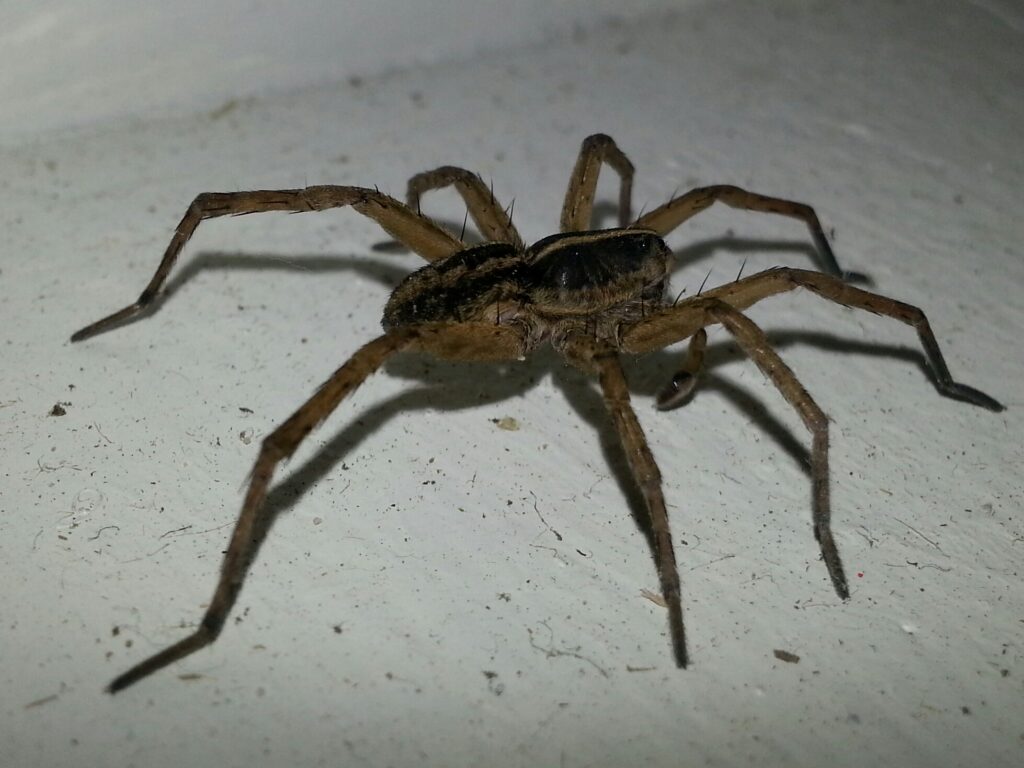
The Correct Way to Handle Canadian Spiders
Ideally, Canadian residents would prefer to never have to deal with any pests – it’s just better that way. Unfortunately, pests are pretty much everywhere, so dealing with them at some point in time is a reality. But if you had the opportunity to …

Avoiding Summer Pests in Canada
Warm weather and the long-awaited start of summer gives any Canadian a reason to celebrate. But the hot and humid summer weather also creates an ideal paradise for annoying pests. Following a few simple prevention-based tips can keep common pests …
Truly Nolen Canada Supports Crime Stoppers of Grey Bruce Inc. At Local Charity Golf Tournament
Dear Ms. Reinwald, On behalf of the Board of Directors of Crime Stoppers of Grey Bruce and the tournament organizers, I would like to express our sincere gratitude to you for donating a pest-proof mattress cover as an auction item toward our 22nd …