 Winter approaches, and with it, the urgent need to protect your home from unwelcome guests. Mice are notorious for seeking refuge indoors as the temperatures drop, making it crucial to mouse-proof a house before the cold hits. Identifying and sealing mouse entry points around your home is the first step to ensure these pests stay outside.
This guide will walk you through practical and effective methods to prevent mice from entering house. From inspecting your home's foundation to plugging potential gaps, we cover all essential steps to keep your living space rodent-free. With our expert advice, you can secure your home, ensuring a warm and comfortable winter without the worry of mice disruptions.
Winter approaches, and with it, the urgent need to protect your home from unwelcome guests. Mice are notorious for seeking refuge indoors as the temperatures drop, making it crucial to mouse-proof a house before the cold hits. Identifying and sealing mouse entry points around your home is the first step to ensure these pests stay outside.
This guide will walk you through practical and effective methods to prevent mice from entering house. From inspecting your home's foundation to plugging potential gaps, we cover all essential steps to keep your living space rodent-free. With our expert advice, you can secure your home, ensuring a warm and comfortable winter without the worry of mice disruptions.
Why Rodents Come Indoors
Before we dig into prevention strategies, it’s essential to understand why rodents seek refuge indoors during winter. Rodents are highly adaptable creatures that can find their way into even the smallest openings. They are adept climbers and can squeeze through gaps as small as a quarter of an inch. Their strong sense of smell leads them to food sources, and once they identify a warm, inviting environment, they’re likely to settle in. Rodents, particularly those species common in urban and suburban environments, have a keen instinct for survival. During the colder months, their natural habitats become inhospitable. Food becomes scarce, and freezing temperatures make outdoor living dangerous. Consequently, they turn their attention to human homes, where the warmth and abundance of resources offer a perfect haven. Understanding this behaviour helps us better prepare and fortify our homes against their entry. In addition to seeking warmth and food, rodents can also cause significant damage once inside. They chew on wires, insulation, and wood, which can lead to fire hazards and structural damage. Their droppings and urine can contaminate food and surfaces, posing health risks to your family. Therefore, taking proactive measures to mouse proof your house is not just about comfort but also safety.Identifying Common Mouse Entry Points
The first step in rodent-proofing your home is identifying and sealing potential entry points. These creatures are resourceful and can exploit various weaknesses in your home’s exterior. Begin by inspecting the foundation, walls, and roof for any gaps, cracks, or holes. Pay close attention to areas where utilities enter the home, such as pipes, vents, and cables, as these are common access points for rodents. Gaps around doors and windows are also prime entry points. Check the weather stripping and door sweeps to ensure they are in good condition and replace them if necessary. Garage doors are another vulnerable spot; make sure they close tightly and consider installing a rodent-proof bottom seal. Additionally, inspect the attic and basement for any openings, as these areas are often overlooked but can provide easy access for rodents. Once you have identified the potential entry points, it’s time to seal them. Use materials such as steel wool, caulk, and hardware cloth to block off small cracks and holes. For larger openings, consider using sheet metal or cement to ensure a durable seal. Remember, even the smallest gap can be an invitation for rodents, so be thorough in your inspection and sealing efforts.Securing Food Sources
 Rodents are primarily attracted to homes in search of food. Therefore, securing food sources is a crucial part of rodent-proofing your home. Start by keeping your kitchen clean and free of crumbs and spills. Store food in airtight containers made of metal or thick plastic, and avoid leaving pet food out overnight. Regularly dispose of garbage and use bins with tight-fitting lids to prevent access.
In addition to securing food inside the home, it’s essential to manage outdoor food sources as well. Bird feeders, compost bins, and pet food dishes can attract rodents to your yard, increasing the likelihood of them finding their way inside. Keep bird feeders away from the house and clean up any spilled seeds regularly. Store compost in rodent-proof containers and avoid adding food scraps that could attract them. If you feed pets outside, bring the dishes in after they’ve finished eating.
Regular maintenance of your home’s exterior can also help deter rodents. Trim back trees and shrubs that are close to the house, as these can provide pathways to your roof and attic. Keep firewood and other outdoor storage away from the house and elevated off the ground. By removing potential food sources and nesting sites outside, you can reduce the chances of rodents approaching your home in the first place.
Rodents are primarily attracted to homes in search of food. Therefore, securing food sources is a crucial part of rodent-proofing your home. Start by keeping your kitchen clean and free of crumbs and spills. Store food in airtight containers made of metal or thick plastic, and avoid leaving pet food out overnight. Regularly dispose of garbage and use bins with tight-fitting lids to prevent access.
In addition to securing food inside the home, it’s essential to manage outdoor food sources as well. Bird feeders, compost bins, and pet food dishes can attract rodents to your yard, increasing the likelihood of them finding their way inside. Keep bird feeders away from the house and clean up any spilled seeds regularly. Store compost in rodent-proof containers and avoid adding food scraps that could attract them. If you feed pets outside, bring the dishes in after they’ve finished eating.
Regular maintenance of your home’s exterior can also help deter rodents. Trim back trees and shrubs that are close to the house, as these can provide pathways to your roof and attic. Keep firewood and other outdoor storage away from the house and elevated off the ground. By removing potential food sources and nesting sites outside, you can reduce the chances of rodents approaching your home in the first place.
Maintaining a Clean Environment
A clean and clutter-free home is less attractive to rodents. Regular cleaning and organization can help prevent infestations and make it easier to spot any signs of rodent activity early on. Vacuum and sweep regularly, paying special attention to areas where food is prepared and consumed. Clean under appliances and furniture to remove any hidden crumbs or debris that could attract rodents. Decluttering your home can also discourage rodent activity. Piles of newspapers, cardboard boxes, and unused items create hiding spots and potential nesting sites. Organize storage areas, such as basements and garages, and use plastic storage bins with tight-fitting lids instead of cardboard boxes. Keep items off the floor and away from walls to make it harder for rodents to move around undetected. In addition to maintaining a clean home, it’s essential to keep your yard tidy as well. Remove any debris, such as fallen leaves, branches, and trash, that could provide hiding spots for rodents. Regularly mow the lawn and trim back vegetation to eliminate potential pathways to your home. By maintaining a clean environment both inside and outside, you can make your home less inviting to rodents and reduce the risk of an infestation.Why Choose Truly Nolen for Pest Control
At Truly Nolen, we understand the importance of keeping your home safe and rodent-free. Our comprehensive approach to rodent control includes thorough inspections, expert sealing of entry points, and effective trapping and monitoring solutions. With years of experience and a commitment to quality service, we’re confident in our ability to protect your home from rodents. Our team of trained professionals is dedicated to providing the highest level of service and support. We use environmentally friendly methods and products to ensure the safety of your family and pets while effectively addressing rodent issues. By choosing Truly Nolen, you can trust that your home is in good hands and that we’ll go above and beyond to keep it rodent-free. We also offer ongoing maintenance and monitoring services to ensure your home remains protected throughout the year. Our proactive approach helps prevent future infestations and provides you with peace of mind knowing that your home is always safeguarded. Don’t leave the safety and comfort of your home to chance—choose Truly Nolen for all your rodent control needs.Protect Your Home
Winter may be coming, but with the right knowledge and proactive measures, you can successfully mouse proof your home and keep it rodent-free throughout the cold season. By understanding rodent behaviour, identifying and sealing entry points, securing food sources, maintaining a clean environment, and monitoring for signs of activity, you can protect your home and family from the potential dangers and inconveniences posed by rodents. If you’re looking for professional assistance in rodent control, Truly Nolen is here to help. Our experienced team is ready to provide comprehensive solutions tailored to your specific needs. Reach out to us today and take the first step towards a safer, more comfortable home this winter.Related Posts
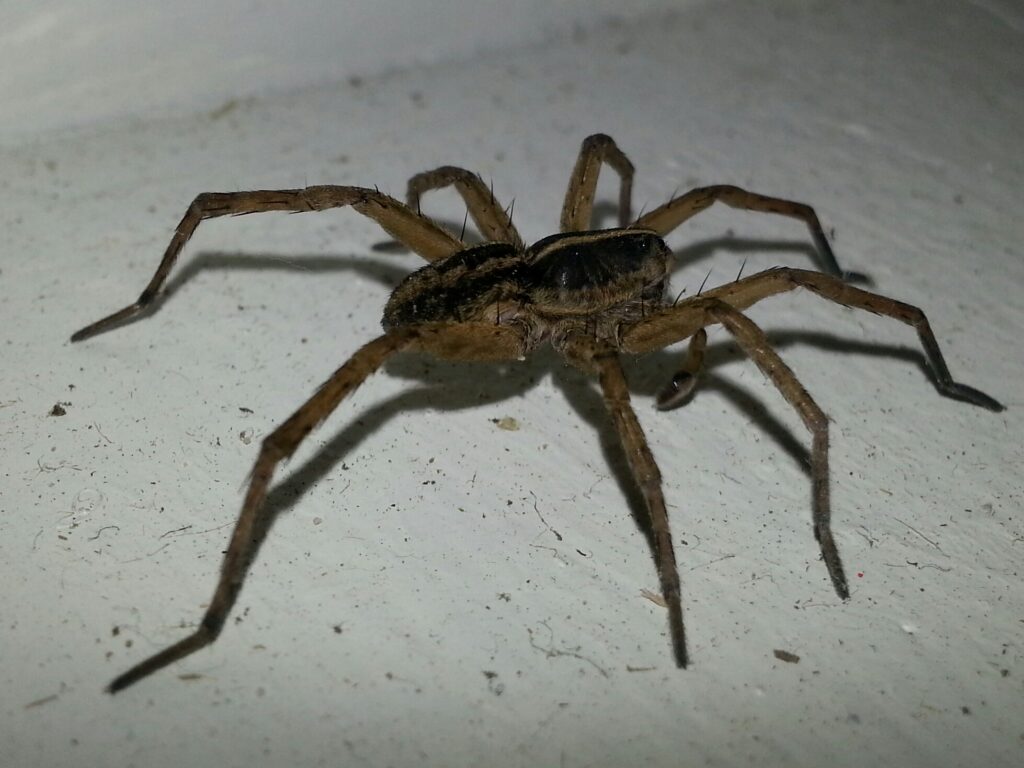
The Correct Way to Handle Canadian Spiders
Ideally, Canadian residents would prefer to never have to deal with any pests – it’s just better that way. Unfortunately, pests are pretty much everywhere, so dealing with them at some point in time is a reality. But if you had the opportunity to …

Avoiding Summer Pests in Canada
Warm weather and the long-awaited start of summer gives any Canadian a reason to celebrate. But the hot and humid summer weather also creates an ideal paradise for annoying pests. Following a few simple prevention-based tips can keep common pests …
Truly Nolen Canada Supports Crime Stoppers of Grey Bruce Inc. At Local Charity Golf Tournament
Dear Ms. Reinwald, On behalf of the Board of Directors of Crime Stoppers of Grey Bruce and the tournament organizers, I would like to express our sincere gratitude to you for donating a pest-proof mattress cover as an auction item toward our 22nd …