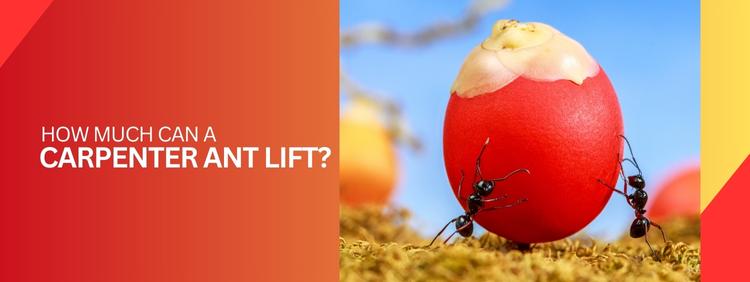
 Have you ever wondered how such a small creature, like a carpenter ant, can carry up to 50 times its body weight? You're not alone.
In our everyday hustle and bustle, we often take the intriguing world of insects for granted. This blog sheds some light on this often-ignored fact and why it's so critical to promptly tackle an infestation. Why? Well, these tiny critters are not just fascinating in their capabilities; they can also present a real nuisance in our homes and indoor spaces - a concern not to be ignored.
Ants symbolize strength and determination, particularly because of their exceptional weight-carrying abilities. But when these strengths start wreaking havoc on your property, it's time you call the professionals.
In this blog, we will dive deep into the world of these muscular insects and demonstrate how Truly Nolen Canada, a leading expert in carpenter ant control in Burlington, is the perfect ally in your fight against these unwelcome guests. So, read on, arm yourself with knowledge, and learn how to protect your home effectively.
Have you ever wondered how such a small creature, like a carpenter ant, can carry up to 50 times its body weight? You're not alone.
In our everyday hustle and bustle, we often take the intriguing world of insects for granted. This blog sheds some light on this often-ignored fact and why it's so critical to promptly tackle an infestation. Why? Well, these tiny critters are not just fascinating in their capabilities; they can also present a real nuisance in our homes and indoor spaces - a concern not to be ignored.
Ants symbolize strength and determination, particularly because of their exceptional weight-carrying abilities. But when these strengths start wreaking havoc on your property, it's time you call the professionals.
In this blog, we will dive deep into the world of these muscular insects and demonstrate how Truly Nolen Canada, a leading expert in carpenter ant control in Burlington, is the perfect ally in your fight against these unwelcome guests. So, read on, arm yourself with knowledge, and learn how to protect your home effectively.
What Is The Average Weight Of A Carpenter Ant?
If you've ever seen a small carpenter ant carrying a large crumb of food, you may marvel at the strength exhibited by these tiny creatures. In terms of their weight, they are extremely light, with larger worker ants typically weighing 1 to 5 milligrams. This seems almost unbelievable when you consider that, despite such a minuscule weight, they carry loads up to 50 times their body weight! Yes, you heard it right. Carpenter ants, and ants in general, have a strength-to-weight ratio that far exceeds most other living creatures. Owing to this, they can easily haul relatively heavy items straight up vertical walls or across long distances. This impressive physical prowess enables them to be successful and dominant in their habitats. From moving food sources to constructing networks of tunnels and chambers in wood, their impressive strength is key to their survival. However, this adaptability and resilience make them a significant nuisance when they decide to take up residence in our homes. Once they've established a colony, they can cause severe damage to wood structures, which is why swift pest control is crucial.How Do Carpenter Ants Carry Objects That Are 50 Times Their Body Weight?
Saying they are strong might just be the understatement of the year. Yes, these fascinating creatures can indeed carry up to 50 times their body weight! The secret to their extraordinary strength lies in their unique structure and physiology. The body of a carpenter ant is divided into three parts: the head, the thorax, and the abdomen. There's something unique about the thorax - it is connected to the ant's head and abdomen by extremely flexible yet strong joints. These joints allow these insects to lift and carry heavy loads in a way that would be impossible for humans.- Another key factor is their exoskeleton, a tough, external covering made of protein and chitin. This rigid layer supports the ant, allowing it to carry objects far exceeding its weight.
- Carpenter ants also have large mandibles known for their crushing power, used for both defence and manipulating their environment, including carrying large items.
What Are The Potential Dangers Of A Pest Infestation?
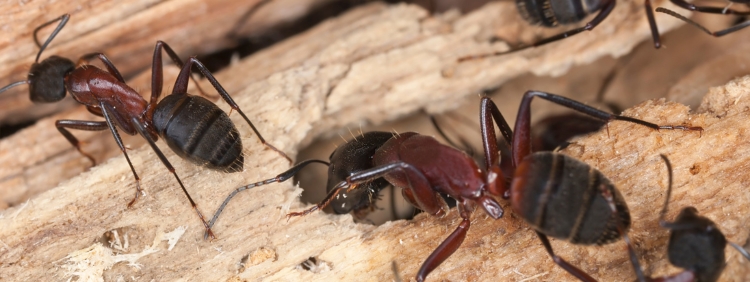 Your home is your sanctuary, your safe space. But what happens when this space is invaded by pests? The most common household culprit, carpenter ants, can present an alarming threat.
You might not give much thought to the small, industrious insect you see making their way across your property. However, spotting these ants can indicate a serious issue that requires immediate attention.
Carpenter ants can lift up to 50 times their body weight, allowing them to move and multiply rapidly, causing unsuspected property damage. This may seem intriguing, but it also gives them the ability to carry plant and animal material, and other items back to their nests, often hidden within the foundation of your home. Not only do these ants harm the natural beauty of your home, but they also pose significant risk by potentially weakening the overall structure.
Your home is your sanctuary, your safe space. But what happens when this space is invaded by pests? The most common household culprit, carpenter ants, can present an alarming threat.
You might not give much thought to the small, industrious insect you see making their way across your property. However, spotting these ants can indicate a serious issue that requires immediate attention.
Carpenter ants can lift up to 50 times their body weight, allowing them to move and multiply rapidly, causing unsuspected property damage. This may seem intriguing, but it also gives them the ability to carry plant and animal material, and other items back to their nests, often hidden within the foundation of your home. Not only do these ants harm the natural beauty of your home, but they also pose significant risk by potentially weakening the overall structure.
- Structural Damage: Often compared to termites, carpenter ants hollow out space within wood to build their nests, endangering the integrity of your home's foundation and structure over time. Given their ability to burrow deep into the wood, the impact of an unchecked infestation becomes apparent when the structural stability of your home is compromised. The damage these industrious creatures can cause is not limited just to the aesthetic aspect but also poses a potentially costly risk of major home repairs if left untreated.
- Food Contamination: Just like other pests, carpenter ants can contaminate food and water sources, leading to potential health risks. As these insects meander their way through your pantry or burst through your food packaging, they can leave behind bacteria or parasites – potential hazards that could wreak havoc on your health.
- Spread of other Pests: Often overlooked, these ants can carry other smaller pests, like mites and ticks, further escalating the infestation problem. These uninvited guests introduce an added layer of complexity to already daunting pest issues. Not only are you pitted against a bustling colony but now you also face the prospect of battling microscopic pests. The miniature pests that carpenter ants can unwittingly carry may bring different yet equally troubling problems. The risks they pose, from diseases to skin irritation, are not to be underestimated.
Why Is It Important To Address A Carpenter Ant Infestation Immediately?
Imagine this: you're unwinding at home, and out of nowhere, you notice a small, black figure scurrying across your kitchen counter. Upon closer inspection, you realize it's an ant. And not just any ant, but a carpenter ant—one of the most formidable pests to homeowners. You shrug it off, thinking that a single ant couldn’t possibly denote a significant problem. However, that's where you could be wrong. Spotting one can indicate an entire colony hiding in your premises, thus making carpenter ant control an immediate requirement. These pests primarily reside in damp, decaying wood, gradually eating away and compromising the structural integrity of your home. Additionally, an infestation can lead to the following issues:- Permanent damage to wooden structures or furniture.
- Potentially severe allergic reactions from their bites.
- Food contamination as they forage for sustenance.
Safeguard Your Home From Pests
At Truly Nolen Canada, we are known for our comprehensive pest removal services. We stand as your reliable partner in this battle against pesky intruders. We specialize in carpenter ant extermination, ensuring your abode remains a safe sanctuary from these wood-munching invaders. Dealing with these pests requires a quick and efficient response. And that's where Truly Nolen Pest Control comes in. As a leading provider of pest removal services, our team has the expertise and experience to identify and deal with an infestation swiftly and effectively. You don’t have to deal with this problem alone. Truly Nolen in Burlington will help protect your home from these industrious intruders. If you're dealing with a carpenter ant problem, don't wait. Contact us to learn more about how we can help you get rid of them.Related Posts
The Correct Way to Handle Canadian Spiders
Ideally, Canadian residents would prefer to never have to deal with any pests – it’s just better that way. Unfortunately, pests are pretty much everywhere, so dealing with them at some point in time is a reality. But if you had the opportunity to …

Avoiding Summer Pests in Canada
Warm weather and the long-awaited start of summer gives any Canadian a reason to celebrate. But the hot and humid summer weather also creates an ideal paradise for annoying pests. Following a few simple prevention-based tips can keep common pests …
Truly Nolen Canada Supports Crime Stoppers of Grey Bruce Inc. At Local Charity Golf Tournament
Dear Ms. Reinwald, On behalf of the Board of Directors of Crime Stoppers of Grey Bruce and the tournament organizers, I would like to express our sincere gratitude to you for donating a pest-proof mattress cover as an auction item toward our 22nd …