 Winter is a beautiful time of year, but it also brings with it some unique challenges, especially for homeowners. One of the most common issues is keeping your attic free of rodents. These tiny invaders can cause significant damage to your home and pose health risks to your family. In this blog post, we'll explore effective strategies for maintaining a rodent-free attic during the winter months. Our goal is to help you understand why these problems occur, what you can do to prevent them, and how Truly Nolen can assist you in protecting your home.
Understanding the Winter Rodent Problem
During the winter, rodents seek warmth and shelter, making your attic an attractive destination. These creatures are incredibly resourceful, able to squeeze through small openings and make nests in your insulation. Recognizing the problem is the first step in addressing it. Rodents are driven indoors by the need for warmth and food. They often enter homes through cracks, gaps, and other small openings. Once inside, they can cause structural damage, gnaw on electrical wires, and contaminate food sources. It's essential to be proactive in preventing these unwelcome guests from taking up residence in your attic. Mice can multiply quickly, making a small problem a big one in no time. Females can give birth to several litters a year, each containing multiple offspring. This rapid reproduction rate means that a minor infestation can become a major headache if not addressed promptly.Effective Mice Prevention Strategies
Preventing rodents from entering your attic requires a multi-faceted approach. By following these strategies, you can significantly reduce the likelihood of an infestation and keep your home safe and rodent-free. One of the most effective ways to keep rodents out of your attic is to seal all potential entry points. Conduct a thorough inspection of your home's exterior, paying close attention to areas where pipes and wires enter the building, as well as vents and chimneys. Use materials like steel wool, caulk, and weatherstripping to block these openings. Rodents are attracted to food sources and nesting materials. Keep your home clean and free of clutter, especially in areas like the kitchen and pantry. Store food in airtight containers, and promptly clean up any spills or crumbs. Regularly dispose of garbage and ensure that trash cans have tight-fitting lids. Overgrown vegetation around your home can provide rodents with easy access to your attic. Trim trees, shrubs, and bushes away from the house, and keep your lawn well-maintained. This will create a less hospitable environment for rodents and make it more difficult for them to find their way inside.Recognizing the Signs of an Infestation
 Even with the best preventive measures in place, mice and other rodents may still find their way into your attic. Being able to recognize the signs of an infestation early can help you address the problem before it becomes more serious.
Rodent droppings are one of the most common signs of an infestation. These small, dark pellets can be found in areas where rodents are active, such as near food sources, along baseboards, and in corners. If you notice droppings in your attic, it's a clear indication that rodents are present.
Rodents often leave gnaw marks on wood, wires, and other materials as they chew to keep their teeth sharp. These marks can be found on baseboards, furniture, and in the attic. Look for small, rough-edged marks that indicate rodent activity.
Another sign of a rodent infestation is the presence of nests. Rodents build nests using materials like insulation, paper, and fabric. These nests are usually hidden in dark, secluded areas, such as inside walls or under insulation in the attic. If you find a nest, it's a strong indication that rodents have taken up residence in your home.
Even with the best preventive measures in place, mice and other rodents may still find their way into your attic. Being able to recognize the signs of an infestation early can help you address the problem before it becomes more serious.
Rodent droppings are one of the most common signs of an infestation. These small, dark pellets can be found in areas where rodents are active, such as near food sources, along baseboards, and in corners. If you notice droppings in your attic, it's a clear indication that rodents are present.
Rodents often leave gnaw marks on wood, wires, and other materials as they chew to keep their teeth sharp. These marks can be found on baseboards, furniture, and in the attic. Look for small, rough-edged marks that indicate rodent activity.
Another sign of a rodent infestation is the presence of nests. Rodents build nests using materials like insulation, paper, and fabric. These nests are usually hidden in dark, secluded areas, such as inside walls or under insulation in the attic. If you find a nest, it's a strong indication that rodents have taken up residence in your home.
The Risks of a Rodent Infestation
Having rodents in your attic is more than just a nuisance; it's a serious problem that can have far-reaching consequences. Understanding these risks can motivate homeowners to take action and implement preventive measures. Rodents can cause significant damage to your home's structure. They chew on wood, insulation, and even wiring, which can lead to costly repairs. In some cases, their gnawing can create fire hazards, posing a risk to your family's safety. Rodents are known carriers of various diseases, including hantavirus, salmonella, and leptospirosis. These illnesses can be transmitted through contact with rodent droppings, urine, or saliva. Ensuring your attic remains free of these pests is crucial for maintaining a healthy living environment. The presence of rodents can also attract other predators, such as snakes and larger animals, who may enter your home in search of an easy meal. This can create an even more complex and dangerous situation that requires professional intervention.Why Choose Truly Nolen for Rodent Control in Toronto
When it comes to protecting your home from rodents, Truly Nolen offers professional expertise and comprehensive solutions. Our team of experts is dedicated to providing effective and environmentally friendly services to keep your home safe. At Truly Nolen, we understand the importance of a rodent-free home. Our integrated approach combines thorough inspections, innovative treatments, and ongoing monitoring to ensure lasting results. We use safe and sustainable methods to address rodent problems without compromising your family's health or the environment. Our technicians are highly trained and experienced in dealing with rodent issues. They stay up-to-date with the latest industry practices and technologies to provide you with the best possible service. When you choose Truly Nolen, you're choosing a team of professionals who are committed to protecting your home and ensuring your peace of mind.Take Action Today!
Maintaining a rodent-free attic during the winter months requires a combination of preventive measures, vigilant monitoring, and professional expertise. By sealing entry points, maintaining cleanliness, and using deterrents, you can significantly reduce the risk of an infestation. Recognizing the signs of rodent activity and taking prompt action is crucial for protecting your home and family. Choosing Truly Nolen for your rodent control needs ensures that you receive professional, environmentally friendly services that provide lasting results. Our team of experts is dedicated to keeping your home safe and rodent-free year-round. Don't wait until rodents have already invaded your attic. Take action today to protect your home and enjoy a peaceful, rodent-free winter. Contact Truly Nolen to learn more about our services and how we can help you maintain a safe and healthy living environment.Related Posts
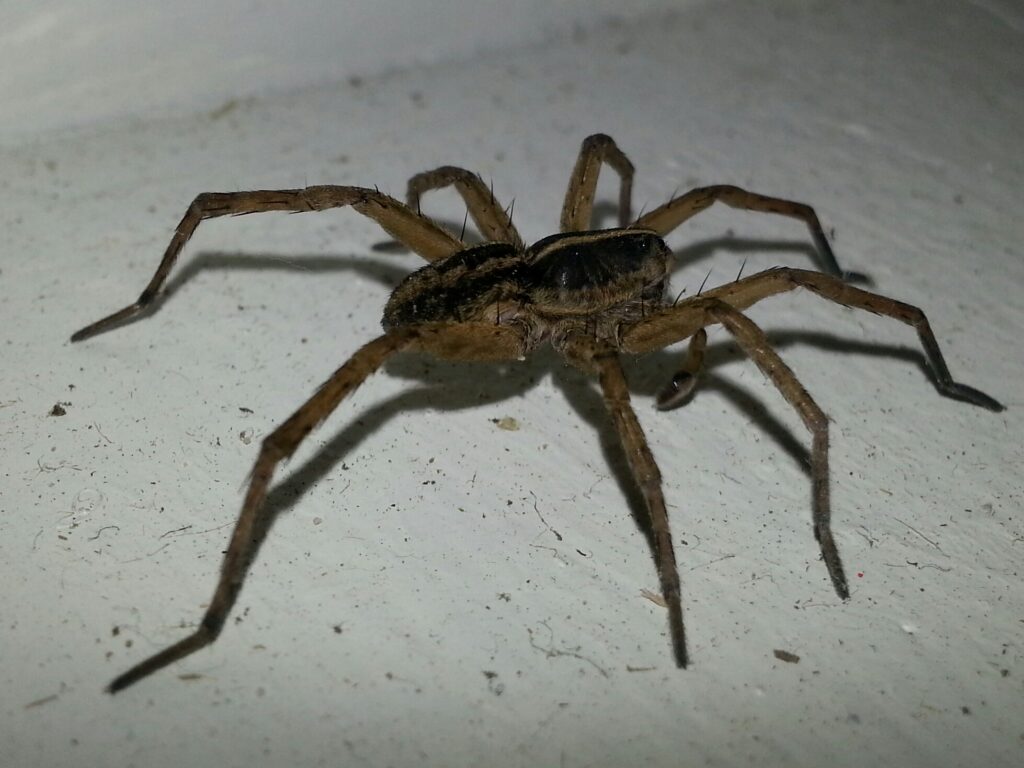
The Correct Way to Handle Canadian Spiders
Ideally, Canadian residents would prefer to never have to deal with any pests – it’s just better that way. Unfortunately, pests are pretty much everywhere, so dealing with them at some point in time is a reality. But if you had the opportunity to …

Avoiding Summer Pests in Canada
Warm weather and the long-awaited start of summer gives any Canadian a reason to celebrate. But the hot and humid summer weather also creates an ideal paradise for annoying pests. Following a few simple prevention-based tips can keep common pests …
Truly Nolen Canada Supports Crime Stoppers of Grey Bruce Inc. At Local Charity Golf Tournament
Dear Ms. Reinwald, On behalf of the Board of Directors of Crime Stoppers of Grey Bruce and the tournament organizers, I would like to express our sincere gratitude to you for donating a pest-proof mattress cover as an auction item toward our 22nd …