 Regular inspections of your home can help reduce large infestation. Make sure to spend some time every season pest proofing your home. The most important thing to keep in mind is to reduce holes in outside walls and roofs. Pests can easily make their way into your home to find warmth or food. Understanding insect behaviour is another way of controlling pest problems. It can help you understand the type of infestation and how to properly remove the issue.
Spring
During the spring insects are trying to increase their populations. Common pest control strategies is to focus on material application that reduces reproduction. A pest control professional uses a treatment the is designed to eliminate a colony while establishing long-term protection. Some things to do in spring would be:
Regular inspections of your home can help reduce large infestation. Make sure to spend some time every season pest proofing your home. The most important thing to keep in mind is to reduce holes in outside walls and roofs. Pests can easily make their way into your home to find warmth or food. Understanding insect behaviour is another way of controlling pest problems. It can help you understand the type of infestation and how to properly remove the issue.
Spring
During the spring insects are trying to increase their populations. Common pest control strategies is to focus on material application that reduces reproduction. A pest control professional uses a treatment the is designed to eliminate a colony while establishing long-term protection. Some things to do in spring would be:
-
-
- Remove spider webs
- Apply dust treatment to exterior entry points.
- Treat lively areas and insects hot spots.
- Power treat along foundation.
- Leave bait for ants, crickets and roaches.
- Apply treatment to reduce ant reproduction.
-
-
-
-
- Remove spider webs and apply repellent.
- Treat exterior hotspots.
- Power treat paved surfaces and landscapes including walk ways.
- Spread products in thick grass, mulch, rock beds, decorative and similar areas.
- Apply granular baits to minimize insect reproduction.
-
-
-
-
-
- Apply treatment to exterior entry points.
- Locate and treat potential harborage sites and food sources.
- Seal cracks and crevices where insects may gain entry.
- Spread granules in thick grass, mulch, rock beds, decorative bark and similar areas.
- Place rodent monitoring stations.
-
-
-
-
-
-
-
- Wipe webs inside.
- Apply material inside cracks and crevices.
- Dust treatment in attic and crawl spaces.
- Place ant and roach bait stations under kitchen and bathroom sinks.
- Place insect monitoring stations in critical areas.
- Apply material outside around doors, windows and eaves.
-
-
-
-
Related Posts
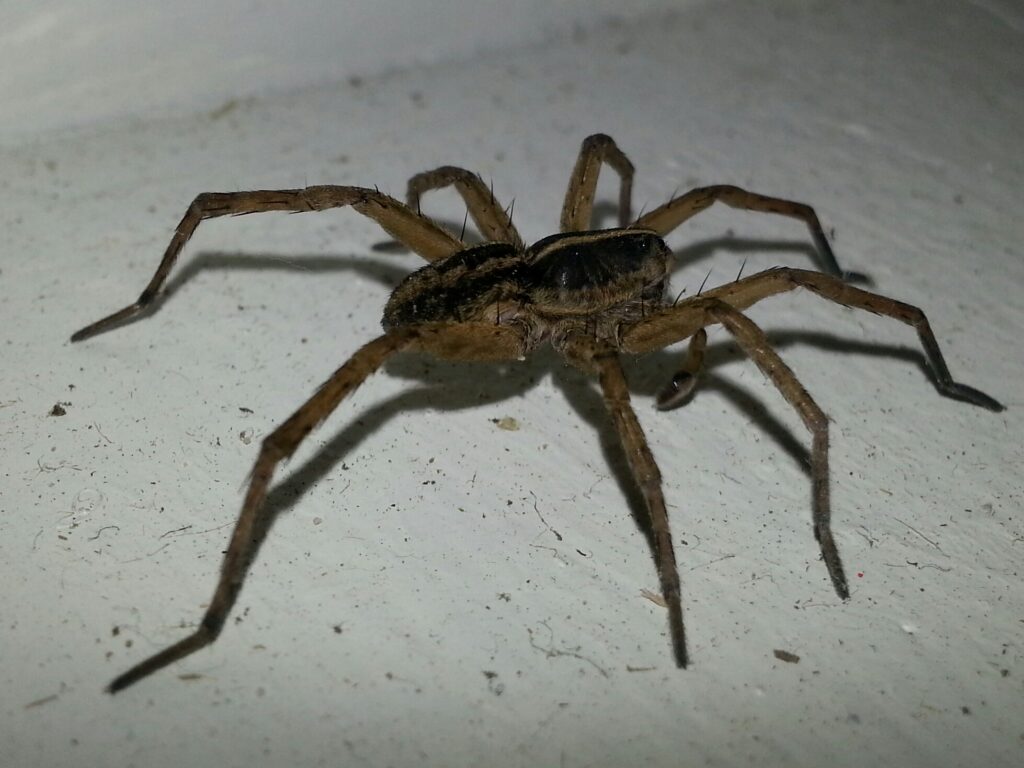
The Correct Way to Handle Canadian Spiders
Ideally, Canadian residents would prefer to never have to deal with any pests – it’s just better that way. Unfortunately, pests are pretty much everywhere, so dealing with them at some point in time is a reality. But if you had the opportunity to …

Avoiding Summer Pests in Canada
Warm weather and the long-awaited start of summer gives any Canadian a reason to celebrate. But the hot and humid summer weather also creates an ideal paradise for annoying pests. Following a few simple prevention-based tips can keep common pests …
Truly Nolen Canada Supports Crime Stoppers of Grey Bruce Inc. At Local Charity Golf Tournament
Dear Ms. Reinwald, On behalf of the Board of Directors of Crime Stoppers of Grey Bruce and the tournament organizers, I would like to express our sincere gratitude to you for donating a pest-proof mattress cover as an auction item toward our 22nd …