Finding Mouse Droppings Is Never a Coincidence
If you find mouse droppings in your home, it is not random and it is not ancient history. Droppings mean mice are active right now or have been active recently. One thing we always stress is how fast a small problem can turn into a big one. One pregnant mouse can turn into 35 to 50 mice in about three months, which is why droppings matter. They are one of the earliest and most reliable signs of an infestation.Identifying Key Signs of Mice in Your House
Mouse droppings are small, dark, and shaped like grains of rice. People sometimes confuse them with seeds or dirt, but placement is the giveaway. You may find droppings in these locations:- Along baseboards and walls
- Inside cupboards and drawers
- Under sinks
- In basements, garages, and storage rooms
Mouse Droppings vs Rat Droppings
This distinction matters because rats and mice behave differently. Rat droppings are larger. Mouse droppings are much smaller. Rats also leave greasy rub marks along walls due to their oily fur and tails. Mice are smaller and don’t leave the greasy rub marks. If you are seeing larger droppings and smear marks, that is a different problem and usually a more destructive one.What to Do If You See Mouse Droppings
The biggest mistake people make is cleaning instead of mitigation. Cleanup does not solve the problem. Mouse control does. We always explain that our process starts outside the home. We always start on the exterior. We’re looking for entry points and conditions that make the house attractive to rodents. If you clean the signs of mice in your house areas before stopping entry and nesting, the droppings will come back.Common Entry Points Homeowners Often Overlook
Some of the most common access points:- Cracks in the foundation
- Decayed caulking around gas and water lines
- Broken or uncovered vents
- Patio door screens that have been chewed
- Roof breathing points with rotting wood
- Water spigots in garages
Related Posts
The Correct Way to Handle Canadian Spiders
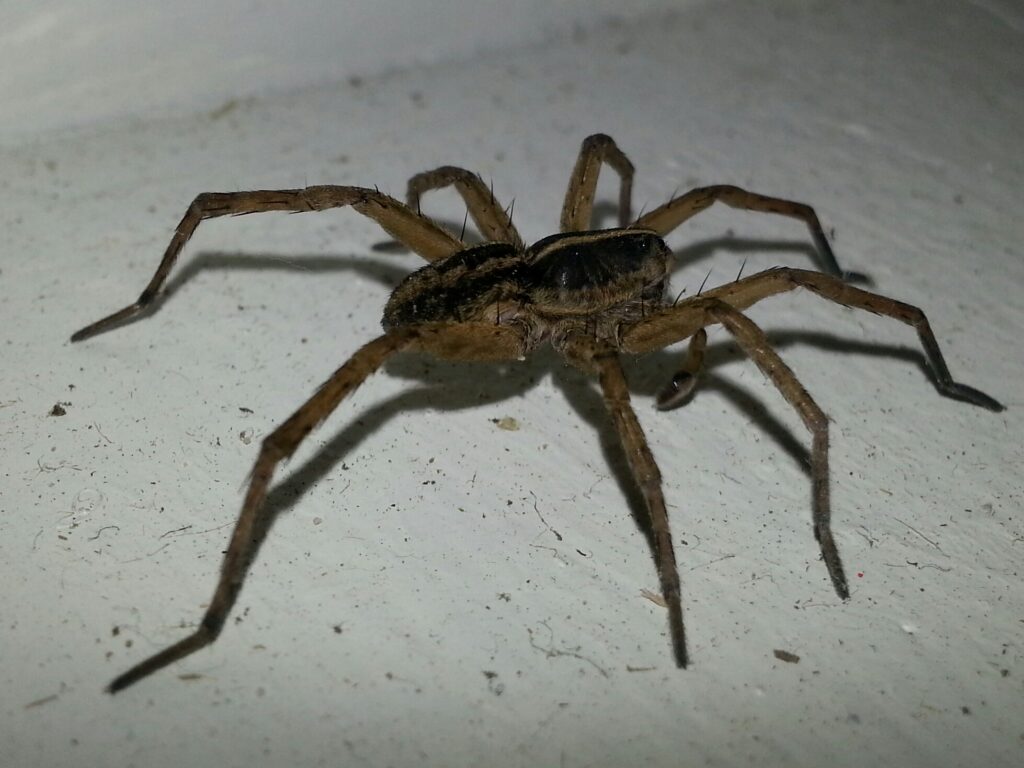
Ideally, Canadian residents would prefer to never have to deal with any pests – it’s just better that way. Unfortunately, pests are pretty much everywhere, so dealing with them at some point in time is a reality. But if you had the opportunity to …

Avoiding Summer Pests in Canada
Warm weather and the long-awaited start of summer gives any Canadian a reason to celebrate. But the hot and humid summer weather also creates an ideal paradise for annoying pests. Following a few simple prevention-based tips can keep common pests …
Truly Nolen Canada Supports Crime Stoppers of Grey Bruce Inc. At Local Charity Golf Tournament
Dear Ms. Reinwald, On behalf of the Board of Directors of Crime Stoppers of Grey Bruce and the tournament organizers, I would like to express our sincere gratitude to you for donating a pest-proof mattress cover as an auction item toward our 22nd …