 A warm afternoon in your garden might be interrupted by the buzzing presence of insect visitors, and while many of us assume the small creatures are one and the same, bees and wasps are indeed quite distinct. Despite bearing some similarity in appearance, these two insects play different roles in nature and exhibit unique behaviours—differences that are crucial for homeowners to recognize. Knowing the distinction between bees and wasps is not only fundamental for your personal understanding but is also a key step in effective pest control, ensuring that your space is both safe and buzzing with life where it matters.
Bees, known for their plump, fuzzy bodies and gentle demeanour, are invaluable pollinators contributing to the ecosystem's vibrancy. Typically, bees have a shorter lifespan, often living for only several weeks, as they tirelessly work to prepare for the next generation. Wasps, on the other hand, appear more slender and smooth, with a reputation for aggression sparked by their territorial nature. Anyone who has dabbled in beekeeping or faced an unexpected wasp encounter can attest to the importance of distinguishing these insects.
As Truly Nolen Southwestern pest control experts can confirm, understanding the differences between bees and wasps, such as their lifespan and behaviours, can help you manage these flying insects effectively without risking unwanted stings. This exploration will further delve into the behaviours and roles these insects play, offering insights to make your outdoor sanctuary both a haven for pollinators and a safe haven for you.
A warm afternoon in your garden might be interrupted by the buzzing presence of insect visitors, and while many of us assume the small creatures are one and the same, bees and wasps are indeed quite distinct. Despite bearing some similarity in appearance, these two insects play different roles in nature and exhibit unique behaviours—differences that are crucial for homeowners to recognize. Knowing the distinction between bees and wasps is not only fundamental for your personal understanding but is also a key step in effective pest control, ensuring that your space is both safe and buzzing with life where it matters.
Bees, known for their plump, fuzzy bodies and gentle demeanour, are invaluable pollinators contributing to the ecosystem's vibrancy. Typically, bees have a shorter lifespan, often living for only several weeks, as they tirelessly work to prepare for the next generation. Wasps, on the other hand, appear more slender and smooth, with a reputation for aggression sparked by their territorial nature. Anyone who has dabbled in beekeeping or faced an unexpected wasp encounter can attest to the importance of distinguishing these insects.
As Truly Nolen Southwestern pest control experts can confirm, understanding the differences between bees and wasps, such as their lifespan and behaviours, can help you manage these flying insects effectively without risking unwanted stings. This exploration will further delve into the behaviours and roles these insects play, offering insights to make your outdoor sanctuary both a haven for pollinators and a safe haven for you.
Difference #1: Physical Appearance
When it comes to identifying bees and wasps, paying attention to their physical traits is essential. Bees are typically recognized by their rounder, fuzzier bodies, which are well-equipped with visible hairs designed for pollen collection. These hairs play a crucial role in their function as natural pollinators, transferring pollen from flower to flower, thus sustaining the vibrancy of our ecosystems. Their robust build gives them a friendly, approachable appearance, inviting us to appreciate their vital role in nature. In contrast, wasps boast a more slender and elongated body characterized by smooth, shiny skin. This sleek, streamlined form complements their role as predators, often assisting in natural pest control by preying on other insect species. Wasps tend to exhibit a more precise, almost aerodynamic design that allows them to maneuver swiftly through the air. This difference in build and texture not only helps distinguish wasps from their bee counterparts but also highlights their unique contributions to the environment.Difference #2: Nesting Habits
 Understanding where these insects reside is crucial in distinguishing their unique characteristics and behaviours. Bees and wasps have distinct nesting preferences that showcase their adaptability and resourcefulness.
Bees typically construct their nests in sheltered, serene locations. Their nests are often found nestled high within trees, concealed within walls, or tucked away in human-made hives, where they seek protection. Renowned for their craftsmanship, bees fashion waxy, hexagonal honeycombs that serve as their homes. These intricate structures are not only used for living but also play an essential role in storing honey and nurturing the next generation.
In contrast, wasps are known for their innovative ability to build nests with a paper-like quality. Using chewed wood fibres, they skillfully create these papery structures in varied locations, including trees, attics, eaves, or even underground. Their nests exhibit both functionality and precision, accommodating their more independent and sometimes solitary nature.
Understanding where these insects reside is crucial in distinguishing their unique characteristics and behaviours. Bees and wasps have distinct nesting preferences that showcase their adaptability and resourcefulness.
Bees typically construct their nests in sheltered, serene locations. Their nests are often found nestled high within trees, concealed within walls, or tucked away in human-made hives, where they seek protection. Renowned for their craftsmanship, bees fashion waxy, hexagonal honeycombs that serve as their homes. These intricate structures are not only used for living but also play an essential role in storing honey and nurturing the next generation.
In contrast, wasps are known for their innovative ability to build nests with a paper-like quality. Using chewed wood fibres, they skillfully create these papery structures in varied locations, including trees, attics, eaves, or even underground. Their nests exhibit both functionality and precision, accommodating their more independent and sometimes solitary nature.
Difference #3: Behaviour and Aggression
When it comes to the temperament of these two insects, there is a noticeable contrast in their inclination towards confrontation. Bees are famously known for their gentle nature, making them fairly docile guests in our gardens or outdoor spaces. They generally prefer to go about their work in harmony, foraging for nectar and pollen without interaction unless forced. It is noteworthy that a bee's sting is typically a last resort, as stinging generally results in the bee's demise—a factor that keeps these insects more hesitant to engage. Conversely, wasps exhibit more assertive behaviour, particularly when their territory is disturbed. These creatures are equipped to defend their nests with vigour and determination. Unlike bees, wasps can sting multiple times in an encounter, heightening their level of threat when they perceive danger. This characteristic necessitates a cautious approach when dealing with wasps near your home.Difference #4: Feeding Habits
Bees as Pollinators: Bees dedicate their lives to collecting nectar and pollen, which are essential to their survival while significantly contributing to the ecosystem's balance. These industrious insects use the nectar and pollen they gather to produce honey, an integral process that underpins their existence. Through this activity, bees play a crucial role in pollinating flowers and crops, directly impacting agriculture and the environment. The next time you see a bee drifting from blossom to blossom, know that these vital pollinators are tirelessly working to maintain ecological harmony. Wasps as Predators and Scavengers: In contrast, wasps serve a different purpose in the ecosystem. They are omnivores, feeding on a variety of food sources ranging from insects to sugary substances and even discarded trash. This dietary choice makes them efficient natural pest controllers, as they help regulate insect populations. However, their scavenging nature can make them inconvenient guests at picnics or near garbage areas. Despite any challenges they present, wasps play a significant role in controlling pests and maintaining ecological balance, adding to the intricate dance of nature’s food web.Difference #5: Role in the Ecosystem
When considering the intricate balance of our ecosystem, the importance of bees cannot be overstated. These industrious creatures are key players in pollination, carrying pollen from plant to plant, enabling their reproduction. This process is not just fundamental for the survival of many plant species but also vital for food production and maintaining biodiversity. Without bees, countless fruit, vegetable, and nut crops would struggle to thrive, underscoring their indispensable role in agriculture and natural ecosystems. Wasps, often misunderstood due to their undeserved reputation for being aggressive, play a more understated yet equally important part in maintaining ecological balance. By preying on other insects, they naturally manage pest populations, which can prevent over-infestation in gardens and crops. Their presence, albeit sometimes unwelcome at outdoor events, is a natural method of insect control, supporting healthier plant communities by reducing potential damage from harmful bugs.Difference #6: Reaction to Seasonal Changes
As temperatures shift throughout the year, bees and wasps each have unique ways of adjusting to the seasonal changes. By understanding these behaviours, you can better prepare your garden or home for the various activities these insects undertake across different seasons. In particular, honeybee colonies are known for their resilience and ability to remain active all year. As the cold of winter approaches, these industrious creatures work tirelessly to store enough honey to sustain the colony during the harsher months. By clustering together and feeding off their carefully collected reserves, they maintain warmth and energy, ensuring that they continue to thrive despite the drop in temperature. Unlike their more aggressive counterparts, bees maintain this diligent routine to support their lifecycle and the larger ecosystem. In contrast, most wasp colonies face a more abrupt seasonal shift. As winter arrives, it spells the end for the majority of the colony, with only the fertilized queens surviving the cold months. These queens find secluded spots to hibernate, marking the end of the activity for the rest of the wasps. Come spring, these enduring queens emerge to establish new colonies, paving the way for the next generation. This lifecycle highlights a critical difference that affects how homeowners might prepare for or control potential wasp encounters throughout the seasons.Understanding the Buzz and What to Do About It
In summary, bees and wasps have distinct differences that are crucial for understanding and managing their presence in your environment. Bees, with their rounder, fuzzier bodies, carefully construct waxy hives and play a vital role in pollination while maintaining a generally docile demeanour. They rely on nectar and pollen, making them indispensable allies in biodiversity, and their colonies remain active throughout the year, showcasing their resilience and dedication to their hive. In contrast, wasps are slender and smooth, building papery nests and demonstrating a more aggressive nature, defending their territory and feeding omnivorously on other insects and sugary treats. Wasps' role in controlling pest populations underlines their ecological importance despite their seasonal lifecycles, which see most colonies perish in winter. Truly Nolen provides professional pest control services to help address wasp issues while ensuring that bees are handled with great care to maintain their crucial role as pollinators. For expert assistance in bee and wasp management, contact our experts at Truly Nolen in Kitchener and safeguard your outdoor sanctuaries. Unravelling the differences between bees and wasps—examining their appearance, behaviour, and ecological contributions—equips you to coexist with these fascinating insects. Understanding how long do bees live and why wasps are aggressive provides the insight necessary for maintaining harmony in nature. For expert advice and service, contact us at Truly Nolen Southwestern to request a quote and learn more about managing these vital insects to foster a safer, more productive environment.Related Posts
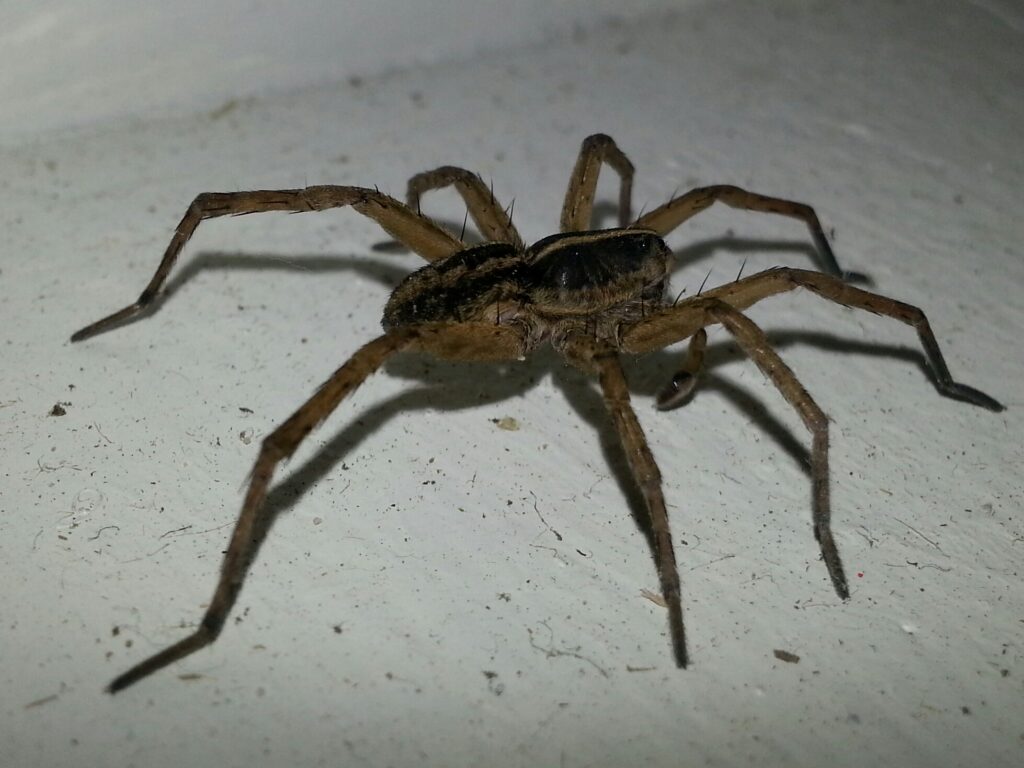
The Correct Way to Handle Canadian Spiders
Ideally, Canadian residents would prefer to never have to deal with any pests – it’s just better that way. Unfortunately, pests are pretty much everywhere, so dealing with them at some point in time is a reality. But if you had the opportunity to …

Avoiding Summer Pests in Canada
Warm weather and the long-awaited start of summer gives any Canadian a reason to celebrate. But the hot and humid summer weather also creates an ideal paradise for annoying pests. Following a few simple prevention-based tips can keep common pests …
Truly Nolen Canada Supports Crime Stoppers of Grey Bruce Inc. At Local Charity Golf Tournament
Dear Ms. Reinwald, On behalf of the Board of Directors of Crime Stoppers of Grey Bruce and the tournament organizers, I would like to express our sincere gratitude to you for donating a pest-proof mattress cover as an auction item toward our 22nd …