 Asthma affects the airways of the lungs. It's a long-term inflammatory disease characterized by recurrent symptoms such as reversible airflow obstruction and bronchospasm with episodes of wheezing, coughing, chest tightness and shortness of breath. It can be worse in different individuals and come out a couple times a day or week.
Asthma is thought to be caused by a combination of genetic and environmental factors. For example, an exposure to air pollution and allergens, medications such as aspirin and beta blockers. Asthma is diagnosed by the frequency of symptoms and how they affect the individual.
Cockroach allergy.
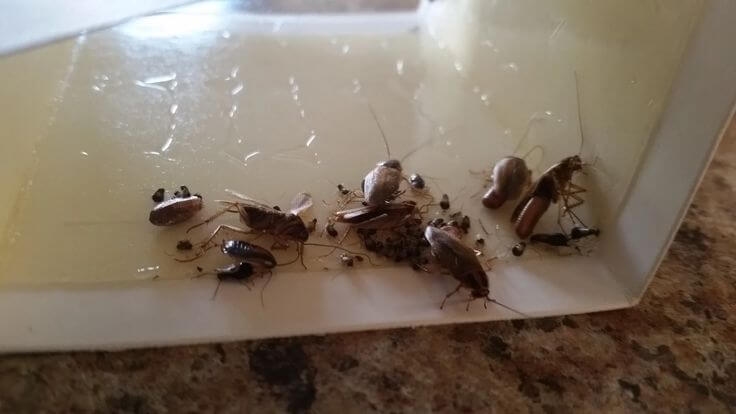
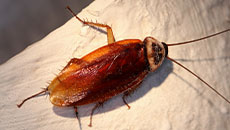
Cockroaches can easily trigger asthma attacks. Children who are allergic to cockroaches and are exposed to them need to visit hospitals for asthma related occurrences more often. Cockroaches are famous insects that raise a lot of fear in people around the world. Although they’re relatively harmless cockroaches are gross and are signs of an unclean environment. Cockroaches have quickly adapted to human lifestyles and are a common factor to living in urban and suburban areas.
A cockroach allergy can be explained by the amount of protein they contain. The excess of protein is an allergen to many people. Allergens cause allergic reactions in people often triggering asthma attacks. Body parts, saliva, waste and dead bodies of cockroaches can cause an allergic reaction.
Symptoms to a cockroach allergy.
Asthma affects the airways of the lungs. It's a long-term inflammatory disease characterized by recurrent symptoms such as reversible airflow obstruction and bronchospasm with episodes of wheezing, coughing, chest tightness and shortness of breath. It can be worse in different individuals and come out a couple times a day or week.
Asthma is thought to be caused by a combination of genetic and environmental factors. For example, an exposure to air pollution and allergens, medications such as aspirin and beta blockers. Asthma is diagnosed by the frequency of symptoms and how they affect the individual.
Cockroach allergy.
Cockroaches can easily trigger asthma attacks. Children who are allergic to cockroaches and are exposed to them need to visit hospitals for asthma related occurrences more often. Cockroaches are famous insects that raise a lot of fear in people around the world. Although they’re relatively harmless cockroaches are gross and are signs of an unclean environment. Cockroaches have quickly adapted to human lifestyles and are a common factor to living in urban and suburban areas.
A cockroach allergy can be explained by the amount of protein they contain. The excess of protein is an allergen to many people. Allergens cause allergic reactions in people often triggering asthma attacks. Body parts, saliva, waste and dead bodies of cockroaches can cause an allergic reaction.
Symptoms to a cockroach allergy.
-
-
- Sneezing.
- Runny nose.
- Itchy, red or watery eyes.
- Stuffy nose.
- Itchy nose, mouth or throat.
- Postnasal drip (a flow of mucus from behind your nose into your throat).
- Cough.
- Itchy skin or rash.
-
 Avoiding cockroach exposure.
There’s many signs to a cockroach infestation. They’re common without the homeowner even realizing the problem they have. To avoid having an infestation you must:
Avoiding cockroach exposure.
There’s many signs to a cockroach infestation. They’re common without the homeowner even realizing the problem they have. To avoid having an infestation you must:
-
-
- Tightly cover all trash cans.
- Store food in glass sealable containers.
- Clean up the kitchen after use including dishes.
- Sweep food crumbs from counters, stove top, tables and floor.
- Avoid leaving pet food out.
- Fix leaky pipes.
- Seal crack in walls and floor.
- Call a professional and remove the infestation.
-
-
-
- Antihistamines are pills, liquids and nose sprays used for most allergic reactions.
- Nasal corticosteroids is a nose spray that reduces swelling in your nose. They also block allergies.
- Leukotriene receptor antagonists prevent the actions of chemical messengers involved in allergic reactions.
- Cromolyn sodium is a nose spray that blocks the spread of chemicals that are part of allergic reactions.
- Decongestants are common to help reduce congestion as a result of allergic reaction.
-
Related Posts
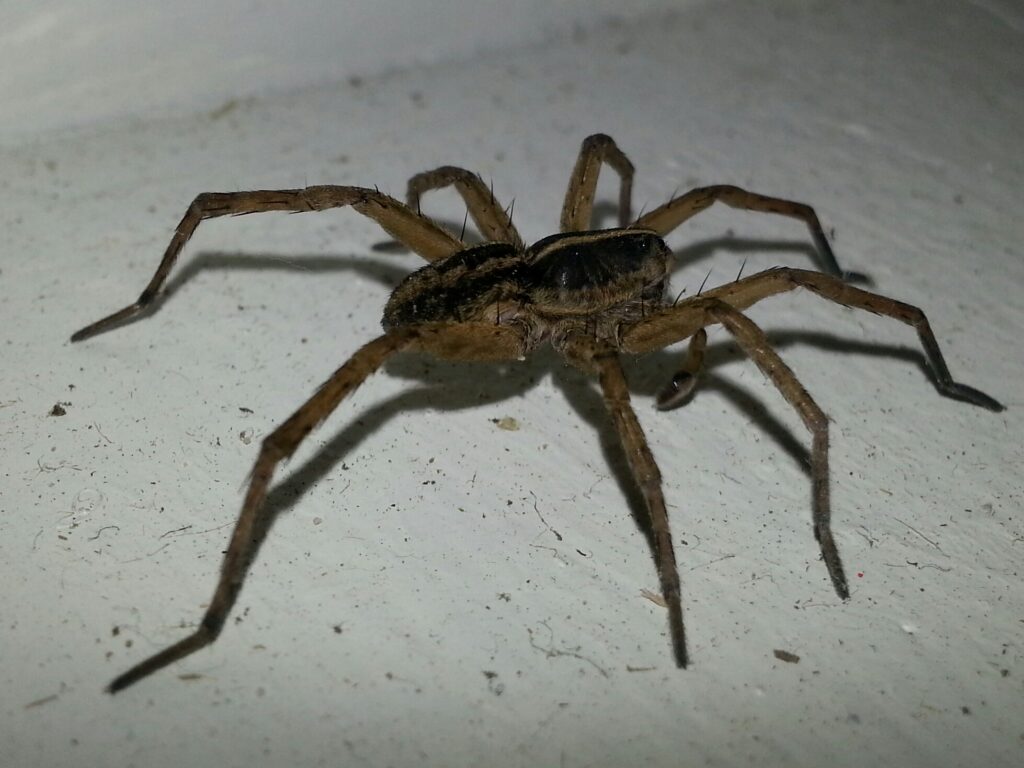
The Correct Way to Handle Canadian Spiders
Ideally, Canadian residents would prefer to never have to deal with any pests – it’s just better that way. Unfortunately, pests are pretty much everywhere, so dealing with them at some point in time is a reality. But if you had the opportunity to …

Avoiding Summer Pests in Canada
Warm weather and the long-awaited start of summer gives any Canadian a reason to celebrate. But the hot and humid summer weather also creates an ideal paradise for annoying pests. Following a few simple prevention-based tips can keep common pests …
Truly Nolen Canada Supports Crime Stoppers of Grey Bruce Inc. At Local Charity Golf Tournament
Dear Ms. Reinwald, On behalf of the Board of Directors of Crime Stoppers of Grey Bruce and the tournament organizers, I would like to express our sincere gratitude to you for donating a pest-proof mattress cover as an auction item toward our 22nd …