 Having spiders in your house can be a distressing experience for many homeowners. They are mysterious creatures that can easily make their way into your home, leading to sleepless nights and constant worries. Many people turn to DIY methods to deal with these unwelcome guests, but the truth is, these approaches often fall short. Many DIY methods are ineffective because they don’t address the root cause of the problem.
In this blog post, we will explore more reasons why DIY spider control methods aren't effective and what you can do instead.
Having spiders in your house can be a distressing experience for many homeowners. They are mysterious creatures that can easily make their way into your home, leading to sleepless nights and constant worries. Many people turn to DIY methods to deal with these unwelcome guests, but the truth is, these approaches often fall short. Many DIY methods are ineffective because they don’t address the root cause of the problem.
In this blog post, we will explore more reasons why DIY spider control methods aren't effective and what you can do instead.
The Limitations of DIY Methods
DIY methods often fail because they don't address the underlying causes of a spider infestation. Spiders are drawn to homes for several reasons, including the presence of other insects they feed on, moisture, and dark, secluded spaces where they can build their webs. Simply using a spray or a trap doesn't get rid of these attractants. Without addressing the conditions that allow spiders to thrive, you're likely to see them return. Another limitation of DIY methods is that they often require frequent reapplication. Store-bought spider sprays may need to be used regularly to maintain their effectiveness, which can become costly and time-consuming. Additionally, some DIY methods can pose risks to your health and safety. For example, using harsh chemicals repeatedly can expose you and your family to potentially harmful substances. The fact is, DIY methods lack the comprehensive approach needed to effectively control and eliminate spider infestations. Professional pest control services have the knowledge, tools, and experience to address the problem at its root, ensuring long-term results and peace of mind for homeowners.The Common DIY Methods
 One of the most common DIY methods for dealing with spiders is using store-bought sprays. Many homeowners believe that these products will solve their problem quickly and easily. They can be convenient to use, but they often have limited effectiveness. The issue with spider sprays is that they usually only kill the spiders they come into direct contact with. They don't address the root cause of the infestation or prevent future occurrences. Additionally, some spiders are more resistant to these chemicals, rendering the sprays useless.
Another popular method is the use of sticky traps. These traps can be placed in areas where spiders are commonly seen. While they may catch a few, they won't eliminate the problem entirely. Sticky traps are passive and rely on the spider accidentally wandering onto them. This means that they won't be effective against spiders that are nesting in hidden or hard-to-reach areas. Furthermore, using sticky traps can be quite unpleasant, as you will need to dispose of the trapped spiders yourself.
Using essential oils like peppermint or eucalyptus is another widely recommended DIY method. The idea is that the strong scents will repel spiders and keep them away from your home. However, while these oils may have some deterrent effect, it's usually not enough to tackle a significant infestation. Spiders are highly adaptable creatures, and some may even find their way back into your home despite the scent.
One of the most common DIY methods for dealing with spiders is using store-bought sprays. Many homeowners believe that these products will solve their problem quickly and easily. They can be convenient to use, but they often have limited effectiveness. The issue with spider sprays is that they usually only kill the spiders they come into direct contact with. They don't address the root cause of the infestation or prevent future occurrences. Additionally, some spiders are more resistant to these chemicals, rendering the sprays useless.
Another popular method is the use of sticky traps. These traps can be placed in areas where spiders are commonly seen. While they may catch a few, they won't eliminate the problem entirely. Sticky traps are passive and rely on the spider accidentally wandering onto them. This means that they won't be effective against spiders that are nesting in hidden or hard-to-reach areas. Furthermore, using sticky traps can be quite unpleasant, as you will need to dispose of the trapped spiders yourself.
Using essential oils like peppermint or eucalyptus is another widely recommended DIY method. The idea is that the strong scents will repel spiders and keep them away from your home. However, while these oils may have some deterrent effect, it's usually not enough to tackle a significant infestation. Spiders are highly adaptable creatures, and some may even find their way back into your home despite the scent.
Why Professional Spider Control Is Necessary
Truly Nolen uses a combination of techniques to ensure comprehensive spider control. This includes identifying and sealing entry points to prevent spiders from getting into your home. We also use environmentally friendly and safe treatments to target the spiders directly, as well as the insects they feed on. By addressing the entire ecosystem that supports the spider population, our team at Truly Nolen can provide a more effective and long-lasting solution. Another advantage of professional pest control is that it can save you time and effort. DIY methods can be labour-intensive and require constant maintenance. With Truly Nolen, you can have peace of mind knowing that your spider problem is being handled by experts who will take care of everything for you. We also offer follow-up visits to ensure that the problem is fully resolved and provide valuable advice on how to keep your home spider-free in the future. Engaging professional pest control services is essential not only for immediate relief from spider infestations but also for establishing long-term prevention strategies. Professionals like Truly Nolen are equipped with advanced products and techniques that go beyond simple surface treatments. We conduct thorough inspections of your property to identify not just visible spiders, but also hidden nests and potential entry points. This meticulous approach ensures that every aspect of the infestation is addressed, significantly reducing the chances of recurrence. In addition, professionals like our experts at Truly Nolen have access to a wealth of knowledge regarding local pest populations and their seasonal behaviour. This expertise allows them to create tailored treatment plans that are based on the unique characteristics of your home and its surroundings. They can pinpoint areas that are typically susceptible to spider invasions and implement proactive measures to mitigate risks. Furthermore, professional pest control services prioritize the safety of your family and pets, opting for eco-friendly and non-toxic treatments whenever possible. This means you can trust that your home is protected without compromising the health of those who live there. Ultimately, the peace of mind that comes from knowing that your spider issue is being handled with expertise is invaluable, allowing you to focus on what truly matters—enjoying your home.The Risks of Ignoring the Problem
Ignoring a spider infestation can lead to several risks and complications. Some spiders can pose health risks to you and your family. While most spiders are harmless, certain species like the brown recluse and black widow can deliver painful and potentially dangerous bites. Children, elderly individuals, and those with weakened immune systems are particularly vulnerable to these bites, which can lead to serious health issues if not treated promptly. In addition to health risks, spiders can also cause structural damage to your home. Their webs can accumulate in corners, behind furniture, and in other hidden areas, creating an unsightly and unhygienic environment. Over time, this can lead to the deterioration of your home's interior and decrease its overall value. Furthermore, ignoring a spider infestation can lead to a larger problem as the spiders continue to reproduce. What might start as a minor issue can quickly escalate into a full-blown infestation, requiring more extensive and costly treatments to resolve. Taking prompt action by enlisting the help of a professional pest control service can prevent these risks and protect your home and family.Why Choose Truly Nolen for Pest Control in Toronto
Truly Nolen stands out as a trusted name in pest control for several reasons. Their team of experts is highly trained and experienced in dealing with all types of spider infestations. They use advanced techniques and environmentally friendly treatments to ensure the safety of your family and pets. With a commitment to customer satisfaction, Truly Nolen provides personalized service and attention to detail to address your specific needs. Choosing Truly Nolen means choosing a reliable and professional solution to your spider problem. Their comprehensive approach ensures that all aspects of the infestation are addressed, from identifying entry points to implementing long-term prevention strategies. With their expertise and dedication to quality service, you can trust Truly Nolen to keep your home spider-free. DIY Spider Control Falls Short While DIY spider control methods may seem like a quick and easy solution, they often fall short in providing effective and lasting results. Addressing a spider infestation requires a comprehensive approach that only professional pest control services can offer. From identifying the root cause of the problem to implementing targeted treatments and prevention strategies, Truly Nolen provides the expertise and reliability homeowners need to keep their homes spider-free. Don't wait until a minor spider problem becomes a major issue. Contact Truly Nolen today and experience the peace of mind that comes with professional pest control.Related Posts
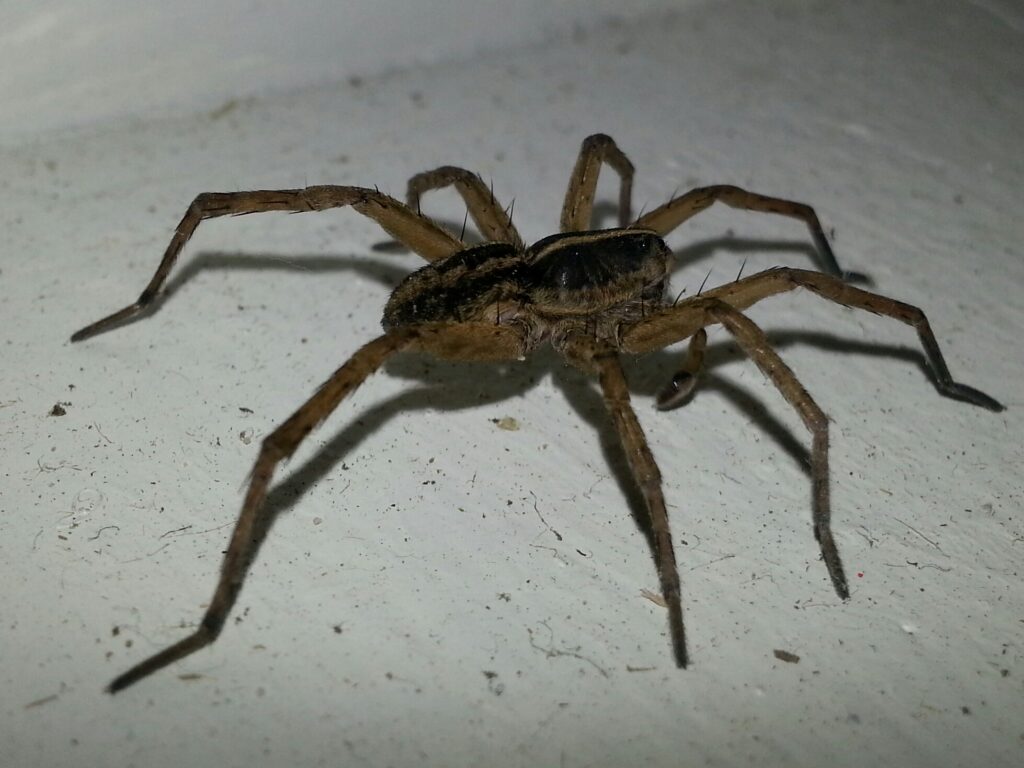
The Correct Way to Handle Canadian Spiders
Ideally, Canadian residents would prefer to never have to deal with any pests – it’s just better that way. Unfortunately, pests are pretty much everywhere, so dealing with them at some point in time is a reality. But if you had the opportunity to …

Avoiding Summer Pests in Canada
Warm weather and the long-awaited start of summer gives any Canadian a reason to celebrate. But the hot and humid summer weather also creates an ideal paradise for annoying pests. Following a few simple prevention-based tips can keep common pests …
Truly Nolen Canada Supports Crime Stoppers of Grey Bruce Inc. At Local Charity Golf Tournament
Dear Ms. Reinwald, On behalf of the Board of Directors of Crime Stoppers of Grey Bruce and the tournament organizers, I would like to express our sincere gratitude to you for donating a pest-proof mattress cover as an auction item toward our 22nd …