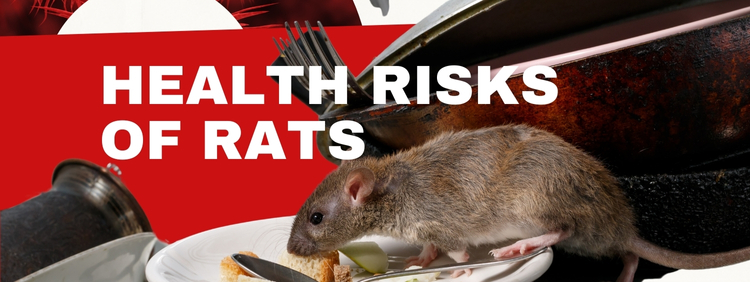
 Rats, those uninvited guests with twitching noses and scurrying feet, can stealthily invade our homes, turning them into breeding grounds for germs and disease. Imagine hearing the faint scratch of their claws in the wall or spotting tiny droppings in the pantry — these are just a few signs of a rat infestation that spell trouble. The health risks posed by these rodents are significant, as they are notorious carriers of harmful diseases that can be transmitted to humans, including leptospirosis, hantavirus, and salmonella. Their constant gnawing and contaminating of food supplies only heighten these dangers, making it imperative to take swift action.
Addressing a rat infestation is not just about comfort, it's about safeguarding our health and well-being. So, what diseases do rats carry, and how exactly do they pose a threat to our homes? Throughout our journey in this discussion, we'll explore the insidious health risks rats bring into our domestic spaces, delve into the telltale signs of a rat infestation, and offer effective strategies on how to get rid of rats.
At Truly Nolen Toronto, our priority is helping you reclaim your living space, ensuring it remains a safe and healthy environment. Understanding these risks and taking proactive steps isn’t just advisable — it’s essential. Let’s dive deeper into how we can protect ourselves and our homes from these pervasive pests.
Rats, those uninvited guests with twitching noses and scurrying feet, can stealthily invade our homes, turning them into breeding grounds for germs and disease. Imagine hearing the faint scratch of their claws in the wall or spotting tiny droppings in the pantry — these are just a few signs of a rat infestation that spell trouble. The health risks posed by these rodents are significant, as they are notorious carriers of harmful diseases that can be transmitted to humans, including leptospirosis, hantavirus, and salmonella. Their constant gnawing and contaminating of food supplies only heighten these dangers, making it imperative to take swift action.
Addressing a rat infestation is not just about comfort, it's about safeguarding our health and well-being. So, what diseases do rats carry, and how exactly do they pose a threat to our homes? Throughout our journey in this discussion, we'll explore the insidious health risks rats bring into our domestic spaces, delve into the telltale signs of a rat infestation, and offer effective strategies on how to get rid of rats.
At Truly Nolen Toronto, our priority is helping you reclaim your living space, ensuring it remains a safe and healthy environment. Understanding these risks and taking proactive steps isn’t just advisable — it’s essential. Let’s dive deeper into how we can protect ourselves and our homes from these pervasive pests.
Common Diseases Spread by Rats
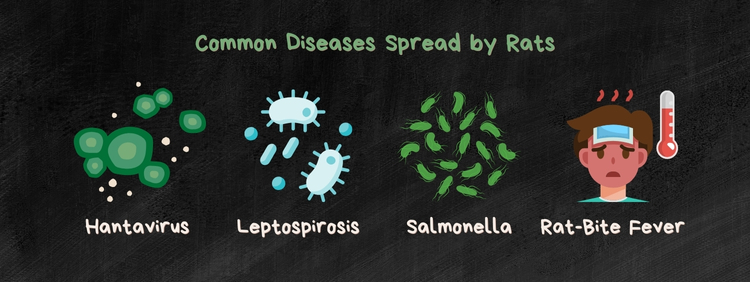 Rats are carriers of numerous diseases that can affect humans, making them more than just a household nuisance. These diseases are transmitted through various means, including direct contact with rat droppings, saliva, and urine. Recognizing these health threats can help you take preventive measures.
Hantavirus
One of the most pressing health concerns associated with rats is hantavirus. This virus is primarily spread through the droppings, urine, and saliva of infected rodents. When these substances dry out, they can easily become airborne and, if inhaled, pose a risk to human health. Early symptoms resemble those of the flu, but hantavirus can escalate into serious respiratory problems. To reduce the risk of transmission, it's essential to recognize signs of an infestation and act quickly.
Leptospirosis
Leptospirosis is another bacterial infection that rats can transmit, particularly through their urine. This bacterium thrives in water sources or moist environments in your home. Once contracted, leptospirosis may cause severe complications like liver damage, kidney failure, or even meningitis. It's vital for homeowners to remain vigilant, especially in humid areas where rats might find refuge.
Salmonella
Rats also contribute to the spread of salmonella through contamination. They carry this bacterium on their bodies and can contaminate food and surfaces as they scurry about. Consuming contaminated food can lead to serious gastrointestinal issues such as diarrhea, fever, and abdominal cramps. Regular cleaning and pest control measures can mitigate these risks considerably.
Rat-Bite Fever
Rat-bite fever is transmitted through direct contact, such as bites or scratches from these rodents. However, it can also result from consuming food contaminated with rat saliva. Symptoms can range from fever and rash to severe complications if left untreated. Understanding these transmission routes emphasizes the importance of timely and professional pest management solutions.
Rats are carriers of numerous diseases that can affect humans, making them more than just a household nuisance. These diseases are transmitted through various means, including direct contact with rat droppings, saliva, and urine. Recognizing these health threats can help you take preventive measures.
Hantavirus
One of the most pressing health concerns associated with rats is hantavirus. This virus is primarily spread through the droppings, urine, and saliva of infected rodents. When these substances dry out, they can easily become airborne and, if inhaled, pose a risk to human health. Early symptoms resemble those of the flu, but hantavirus can escalate into serious respiratory problems. To reduce the risk of transmission, it's essential to recognize signs of an infestation and act quickly.
Leptospirosis
Leptospirosis is another bacterial infection that rats can transmit, particularly through their urine. This bacterium thrives in water sources or moist environments in your home. Once contracted, leptospirosis may cause severe complications like liver damage, kidney failure, or even meningitis. It's vital for homeowners to remain vigilant, especially in humid areas where rats might find refuge.
Salmonella
Rats also contribute to the spread of salmonella through contamination. They carry this bacterium on their bodies and can contaminate food and surfaces as they scurry about. Consuming contaminated food can lead to serious gastrointestinal issues such as diarrhea, fever, and abdominal cramps. Regular cleaning and pest control measures can mitigate these risks considerably.
Rat-Bite Fever
Rat-bite fever is transmitted through direct contact, such as bites or scratches from these rodents. However, it can also result from consuming food contaminated with rat saliva. Symptoms can range from fever and rash to severe complications if left untreated. Understanding these transmission routes emphasizes the importance of timely and professional pest management solutions.
Contamination of Food and Surfaces
One critical aspect of addressing rodent issues in your living environment is understanding how these pests can contaminate both food and water sources, posing serious health concerns. Let's dive into how our uninvited housemates can wreak havoc in our kitchens and water systems. Rats are notorious for their voracious appetites and lack of boundaries when it comes to food. As they explore pantries and cupboards, they leave behind unwelcome souvenirs like droppings, urine, and saliva. These byproducts of their scavenging can lead to the contamination of food items and kitchen surfaces, elevating the risk of exposure to harmful bacteria like salmonella and hantavirus. For those of us aiming to maintain a clean and healthy kitchen, it is essential to regularly check and secure our food storage areas to prevent these unwelcome intruders from compromising our food safety. Beyond the pantry, rats also have an unsettling knack for contaminating water sources within our homes. These rodents can access plumbing systems or poorly sealed areas, leaving waste that taints our everyday water usage. This contamination introduces the potential for bacterial and viral transmission through something as simple as drinking a glass of water or washing dishes. To protect our family’s health, ensuring regular inspection and maintenance of our home’s water systems can substantially decrease the likelihood of contamination.Allergens and Respiratory Issues
Living with rats subtly increases the risk of exposure to allergens and airborne contaminants in our homes. While the sight of rats scurrying about is unnerving, the unseen impact of their droppings, dander, and hair can lead to significant health problems. Sensitive individuals, particularly children and those with pre-existing respiratory conditions like asthma, may experience worsening symptoms due to these allergens. Sneezing, coughing, and other allergic reactions become more frequent and severe, underscoring the importance of maintaining a rat-free home environment. An often-overlooked factor is how dried droppings and urine can become airborne, making it much easier for residents to unknowingly inhale harmful pathogens. These airborne particles present a heightened risk of disease, silently affecting the indoor air quality and posing contamination threats. To safeguard your family's health, it is crucial for us to understand the genuine hazards rats pose and to communicate effectively on how to get rid of such problems.Damage to Your Home Leading to Health Risks
When we think of the pesky presence of rodents, the risk of chewed wires and damaged insulation may not immediately come to mind, but these are significant household hazards. At Truly Nolen Toronto, we understand the dangers posed by these unnoticed threats, which can silently compromise both the safety and integrity of your living space. Rats have a penchant for gnawing on anything they encounter, and unfortunately, this often includes the wiring in our homes. When these critters chew through wires, they not only disrupt electrical connections but also create potential fire hazards. Damaged wires can easily spark, leading to fires that put everyone at risk—not to mention the stress and cost of repairs. Constant vigilance and engaging professional services to handle these hidden threats are crucial steps in maintaining a safe environment. Rats are notorious for causing extensive structural damage by chewing through insulation and other support materials within our homes. This destruction can weaken the infrastructure, resulting in moisture accumulation and subsequent mould growth. The presence of mould doesn’t just harm the building—it significantly impacts indoor air quality and can exacerbate health issues like respiratory diseases. Regular inspections and addressing these problems head-on with professional help is an essential preventive measure to protect health and property.Protect Your Home and Health with Truly Nolen Toronto
Rats are notorious for carrying a range of diseases like hantavirus, leptospirosis, salmonella, and rat-bite fever, which can be transmitted through contact with their droppings, urine, and saliva. Beyond disease transmission, these rodents contaminate food, water sources, and living spaces, posing significant health risks to households. They also contribute to allergens and respiratory issues and can cause structural damage that deteriorates indoor air quality. Fortunately, Truly Nolen Toronto provides professional rat control solutions designed to eliminate infestations and protect your home from these potential health hazards. Our expert services ensure you can enjoy a safe and healthy living environment, free from the dangers that rats bring. Recognizing the signs of a rat infestation and understanding what diseases rats carry is crucial; however, knowing how to get rid of rats effectively can make a difference in safeguarding your family's health. Trust Truly Nolen Toronto for expert assistance in managing rat infestations. To learn more or to request a quote, contact us today and take the proactive step to protect your family and home from these pervasive pests.Related Posts
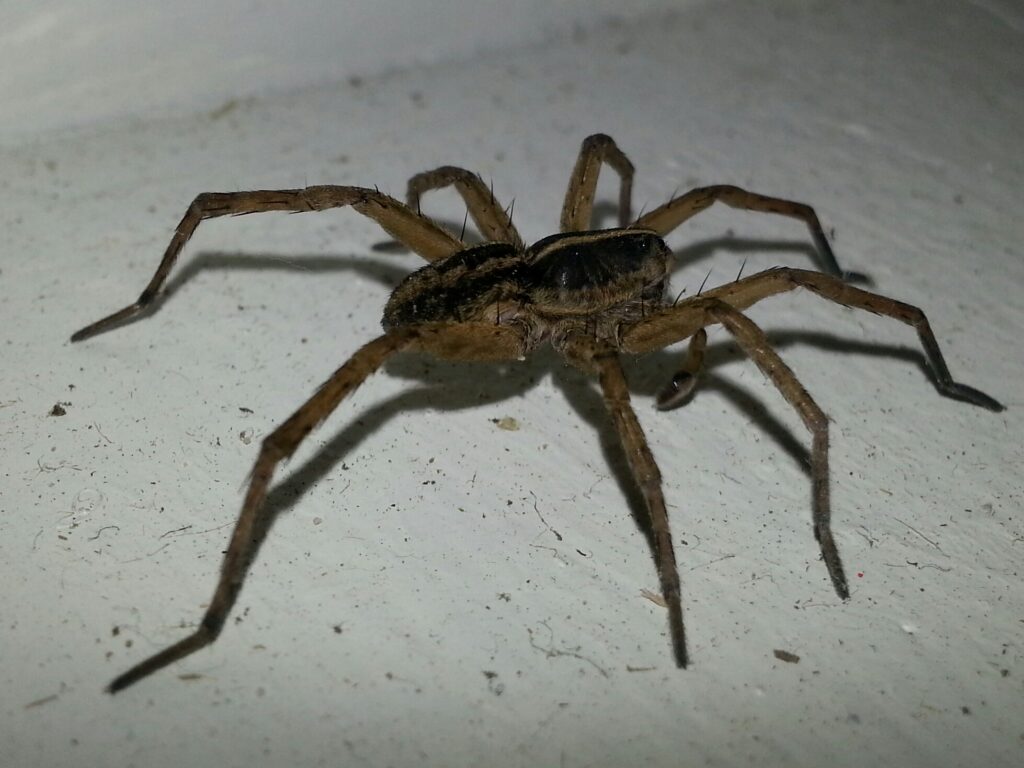
The Correct Way to Handle Canadian Spiders
Ideally, Canadian residents would prefer to never have to deal with any pests – it’s just better that way. Unfortunately, pests are pretty much everywhere, so dealing with them at some point in time is a reality. But if you had the opportunity to …

Avoiding Summer Pests in Canada
Warm weather and the long-awaited start of summer gives any Canadian a reason to celebrate. But the hot and humid summer weather also creates an ideal paradise for annoying pests. Following a few simple prevention-based tips can keep common pests …
Truly Nolen Canada Supports Crime Stoppers of Grey Bruce Inc. At Local Charity Golf Tournament
Dear Ms. Reinwald, On behalf of the Board of Directors of Crime Stoppers of Grey Bruce and the tournament organizers, I would like to express our sincere gratitude to you for donating a pest-proof mattress cover as an auction item toward our 22nd …