 Winter is the time when homeowners often think they're safe from pests, but carpenter ants have other plans. Understanding what attracts carpenter ants and where ants go in winter is essential to keeping your home ant-free. These tiny invaders seek out warm and moist spots to nest, which is why they often enter homes during the colder months. Carpenter ants do not consume wood like termites; instead, they burrow into it to create their nests, causing potential structural damage over time.
Homeowners frequently ask how to get rid of carpenter ants in Guelph, especially when they notice signs of infestation such as small piles of wood shavings or rustling noises within walls. By focusing on preventative measures, you can protect your home and maintain a comfortable living environment throughout the winter.
Winter is the time when homeowners often think they're safe from pests, but carpenter ants have other plans. Understanding what attracts carpenter ants and where ants go in winter is essential to keeping your home ant-free. These tiny invaders seek out warm and moist spots to nest, which is why they often enter homes during the colder months. Carpenter ants do not consume wood like termites; instead, they burrow into it to create their nests, causing potential structural damage over time.
Homeowners frequently ask how to get rid of carpenter ants in Guelph, especially when they notice signs of infestation such as small piles of wood shavings or rustling noises within walls. By focusing on preventative measures, you can protect your home and maintain a comfortable living environment throughout the winter.
Preventing An Infestation
Carpenter ants are often attracted to warm, moist areas. During the winter, they seek out such environments to survive the cold. Understanding what attracts carpenter ants is the first step in preventing an infestation. They are drawn to food sources and moisture, making kitchens and bathrooms prime targets. By reducing access to these attractants, you can significantly decrease the chance of an invasion. Additionally, carpenter ants need wood to build their nests. If your home has any decaying wood or moisture-damaged areas, it becomes an ideal spot for them to settle. Regular maintenance and inspections can help identify and resolve these issues before they become a problem. At Truly Nolen, we recommend scheduling periodic checks to ensure that potential nesting sites are eliminated. These ants also prefer to travel through established trails, often making use of existing cracks and crevices in your home's structure. Sealing these entry points can effectively block their access, ensuring that your home remains secure throughout the winter. A comprehensive approach, combining cleaning, repairs, and sealing, is essential to keep carpenter ants at bay.- Seal Entry Points
 One of the most effective ways to keep carpenter ants out of your home is to seal all possible entry points. These ants can enter through tiny cracks in your foundation, gaps around windows and doors, and even through utility lines. Walk around your home and look for any potential entry points. Use caulk to seal cracks and crevices, and install weatherstripping around doors and windows. Also, ensure that screens on vents and windows are in good condition without any tears or holes.
Sealing entry points not only prevents ants but also helps in maintaining the overall energy efficiency of your home. It's a win-win situation. I recommend doing this inspection and sealing before the onset of winter, as ants are likely to enter your home seeking warmth as temperatures drop.
One of the most effective ways to keep carpenter ants out of your home is to seal all possible entry points. These ants can enter through tiny cracks in your foundation, gaps around windows and doors, and even through utility lines. Walk around your home and look for any potential entry points. Use caulk to seal cracks and crevices, and install weatherstripping around doors and windows. Also, ensure that screens on vents and windows are in good condition without any tears or holes.
Sealing entry points not only prevents ants but also helps in maintaining the overall energy efficiency of your home. It's a win-win situation. I recommend doing this inspection and sealing before the onset of winter, as ants are likely to enter your home seeking warmth as temperatures drop.
- Eliminate Moisture Sources
- Keep Firewood Away From Your Home
- Regularly Inspect and Maintain Your Home
- Trim Trees and Shrubs
 Carpenter ants often use tree branches and shrubs as bridges to enter your home. Keeping your landscaping well-maintained can significantly reduce the risk of infestation. Trim back any tree branches that touch or overhang your home, and keep shrubbery well-pruned.
Not only does this practice prevent ants from gaining easy access to your home, but it also enhances the overall appearance of your property. Regularly check for signs of ants on your trees and shrubs, as early detection can prevent them from migrating indoors.
Carpenter ants often use tree branches and shrubs as bridges to enter your home. Keeping your landscaping well-maintained can significantly reduce the risk of infestation. Trim back any tree branches that touch or overhang your home, and keep shrubbery well-pruned.
Not only does this practice prevent ants from gaining easy access to your home, but it also enhances the overall appearance of your property. Regularly check for signs of ants on your trees and shrubs, as early detection can prevent them from migrating indoors.
- Proper Food Storage and Waste Management
- Use Ant Barriers
- Monitor For Early Signs of Infestation
- Keep Your Kitchen Clean
- Regular Pest Control Treatments
How to Get Rid of Carpenter Ants in Guelph with Truly Nolen
Preventing carpenter ants from invading your home during the winter requires a proactive approach. By understanding what attracts carpenter ants and taking steps to eliminate those attractants, you can keep your home safe and secure. Regular inspections and maintenance, proper food storage, and the use of ant barriers are all effective strategies. If you suspect an infestation or want to ensure that your home is well-protected, consider reaching out to the professionals at Truly Nolen. Our team is dedicated to helping homeowners like you keep their homes ant-free and comfortable all year round. Get in touch with us today to learn more about our services and how we can help you protect your home.Related Posts
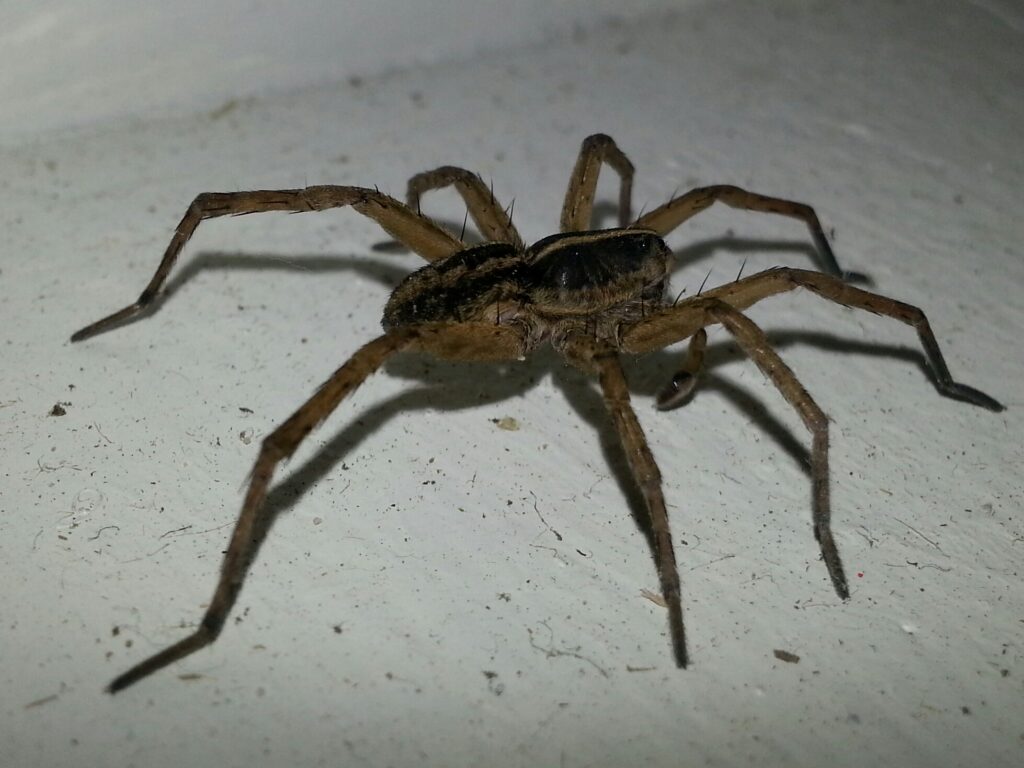
The Correct Way to Handle Canadian Spiders
Ideally, Canadian residents would prefer to never have to deal with any pests – it’s just better that way. Unfortunately, pests are pretty much everywhere, so dealing with them at some point in time is a reality. But if you had the opportunity to …

Avoiding Summer Pests in Canada
Warm weather and the long-awaited start of summer gives any Canadian a reason to celebrate. But the hot and humid summer weather also creates an ideal paradise for annoying pests. Following a few simple prevention-based tips can keep common pests …
Truly Nolen Canada Supports Crime Stoppers of Grey Bruce Inc. At Local Charity Golf Tournament
Dear Ms. Reinwald, On behalf of the Board of Directors of Crime Stoppers of Grey Bruce and the tournament organizers, I would like to express our sincere gratitude to you for donating a pest-proof mattress cover as an auction item toward our 22nd …