 Winter is coming, and just like us, those little uninvited guests in your home are looking for warmth and food. During the colder months, mice tend to seek shelter inside homes more frequently, making it essential to take steps to deter them by properly storing your food. If you’re a homeowner, understanding how to keep your food safe from mice is crucial. In this blog, we'll cover effective food storage tips to keep mice at bay, with insights on why Truly Nolen is your ideal solution for pest control.
Understanding the Mouse Problem in Winter
When temperatures drop, mice search for warm places with easy access to food. Your cozy home fits the bill perfectly, especially if it offers a steady supply of nourishment. Understanding their behaviour and needs can help you develop strategies to keep them out. Mice are relentless when it comes to finding food, and even a few crumbs can attract them. Their keen sense of smell allows them to locate food sources easily, and their small size enables them to squeeze through tiny openings to get inside your home. Once they're in, they can cause significant damage, gnawing on wires, insulation, and even drywall. Worse still, they can contaminate food and spread diseases. It's not just about keeping them out; it's about making your home as unattractive to them as possible.The Importance of Proper Food Storage
Proper food storage is your first line of defence against mice. By storing food correctly, you not only protect it from contamination but also make it less accessible to these unwanted visitors. One of the biggest mistakes homeowners make is leaving food in its original packaging once opened. Cardboard boxes and thin plastic bags are no match for a determined mouse's teeth. Instead, transfer food into airtight containers. Glass containers are an excellent choice because they are durable, easy to clean, and mice can't chew through them. These containers also help keep your food fresh longer, which is an added bonus. Metal and heavy-duty plastic containers can also work well. The key is to ensure that the containers have tight-fitting lids that create a seal. Glass containers come in various sizes, making them perfect for storing everything from pantry staples like flour and sugar to leftovers. Investing in a set of high-quality glass containers can significantly reduce the chances of a mouse infestation by eliminating their food sources.Safe Storage Solutions for Basements
Many homeowners use their basements for food storage, especially when space is limited in the kitchen. However, basements can be damp and cold, creating a conducive environment for mice. To safely store food in the basement, it's essential to take a few extra precautions. First, ensure that your basement is as dry as possible. Use dehumidifiers to reduce moisture levels, and consider installing a sump pump if you have issues with flooding or standing water. Mice are attracted to damp areas, so keeping your basement dry is a critical step in deterring them. Next, use shelves to keep food off the floor. Storing food on shelves not only makes it more difficult for mice to access but also helps improve airflow around the containers, reducing the risk of mold and mildew growth. Choose sturdy metal or plastic shelves, as wooden shelves can absorb moisture and become a target for gnawing. Finally, inspect your basement regularly for any signs of mouse activity. Look for droppings, gnaw marks, or nesting materials. If you notice any of these signs, take action immediately to address the problem before it gets out of hand.Why Are Glass Containers Superior For Storage?
 When it comes to food storage, glass containers are a superior option for several reasons. First, they are non-porous, which means they don't absorb odours or stains. This feature is particularly important in a basement setting where dampness can cause other materials to develop odours over time.
Glass containers are also transparent, allowing you to see what's inside without opening them. This visibility makes it easier to keep track of your food inventory and reduces the temptation to open containers frequently, which can compromise their airtight seals.
Furthermore, glass containers are environmentally friendly. They are made from natural materials and can be recycled indefinitely. Unlike plastic containers, which can degrade over time and release harmful chemicals, glass is a safer, more sustainable choice for food storage.
Investing in a set of high-quality glass containers can save you money in the long run. They are more durable than plastic containers and less likely to need replacing. Plus, they help keep your food fresher for longer, reducing waste.
When it comes to food storage, glass containers are a superior option for several reasons. First, they are non-porous, which means they don't absorb odours or stains. This feature is particularly important in a basement setting where dampness can cause other materials to develop odours over time.
Glass containers are also transparent, allowing you to see what's inside without opening them. This visibility makes it easier to keep track of your food inventory and reduces the temptation to open containers frequently, which can compromise their airtight seals.
Furthermore, glass containers are environmentally friendly. They are made from natural materials and can be recycled indefinitely. Unlike plastic containers, which can degrade over time and release harmful chemicals, glass is a safer, more sustainable choice for food storage.
Investing in a set of high-quality glass containers can save you money in the long run. They are more durable than plastic containers and less likely to need replacing. Plus, they help keep your food fresher for longer, reducing waste.
The Problem with Original Packaging
Many people make the mistake of storing food in its original packaging once it's been opened. Unfortunately, this packaging is often not designed for long-term storage and provides little protection against mice. Cardboard boxes and thin plastic bags are easy for mice to chew through, and they don't create airtight seals. This lack of protection can lead to food becoming stale, spoiled, or contaminated by mice. Transferring food to more secure containers as soon as you bring it home or open it is a simple but effective way to prevent mice from accessing it. It also helps keep your food fresher and more organized.The Role of Cleanliness in Deterring Mice
Cleanliness is a critical factor in deterring mice. Even the smallest crumbs can attract them, so it's essential to keep your home as clean as possible, particularly in areas where food is prepared and stored. Regularly clean countertops, floors, and shelves to remove any food particles. Pay special attention to areas where you might not think to look, such as under appliances and in the corners of cabinets. In addition to cleaning, make sure to dispose of garbage promptly and use trash cans with tight-fitting lids. Mice are opportunistic feeders and will happily rummage through your trash if given the chance.Monitoring for Signs of Mice
Even with the best prevention strategies, it's still possible for mice to find their way into your home. Regularly monitoring for signs of mice can help you catch an infestation early and take action before it becomes a significant problem. Look for droppings, gnaw marks, and nesting materials. Mice are nocturnal, so you might not see them during the day, but you can often hear them scurrying around at night. If you notice any of these signs, it's time to call in a professional. Professional pest control services, like Truly Nolen, have the expertise and tools needed to effectively address a mouse problem. They can identify entry points, recommend exclusion techniques, and provide ongoing monitoring to prevent future infestations.Why Choose Truly Nolen for Pest Control
At Truly Nolen, we understand the unique challenges that homeowners face in keeping their homes free from pests. Our comprehensive approach to pest control includes thorough inspections, customized treatment plans, and ongoing monitoring to ensure that your home remains pest-free. Our team of experienced professionals uses the latest techniques and technologies to address pest problems effectively and efficiently. We prioritize safety and environmental responsibility in all our treatments, so you can have peace of mind knowing that your home and family are protected. Choosing Truly Nolen means choosing a partner who is dedicated to keeping your home safe and comfortable. We're here to help you every step of the way, from initial inspection to ongoing maintenance.We're Here to Help
Keeping mice out of your home during the colder months requires a combination of proper food storage, cleanliness, and vigilance. By transferring food to airtight glass containers, keeping your basement dry, and regularly monitoring for signs of mice, you can significantly reduce the risk of an infestation. If you do find yourself dealing with a mouse problem, Truly Nolen is here to help. Our team of experts has the knowledge and experience needed to address any pest issue and keep your home safe. Don't wait until the problem becomes unmanageable. Take action today to protect your home and food from unwanted visitors. Learn more about our services and schedule an inspection with Truly Nolen. Your home deserves the best care, and we're here to provide it.Related Posts
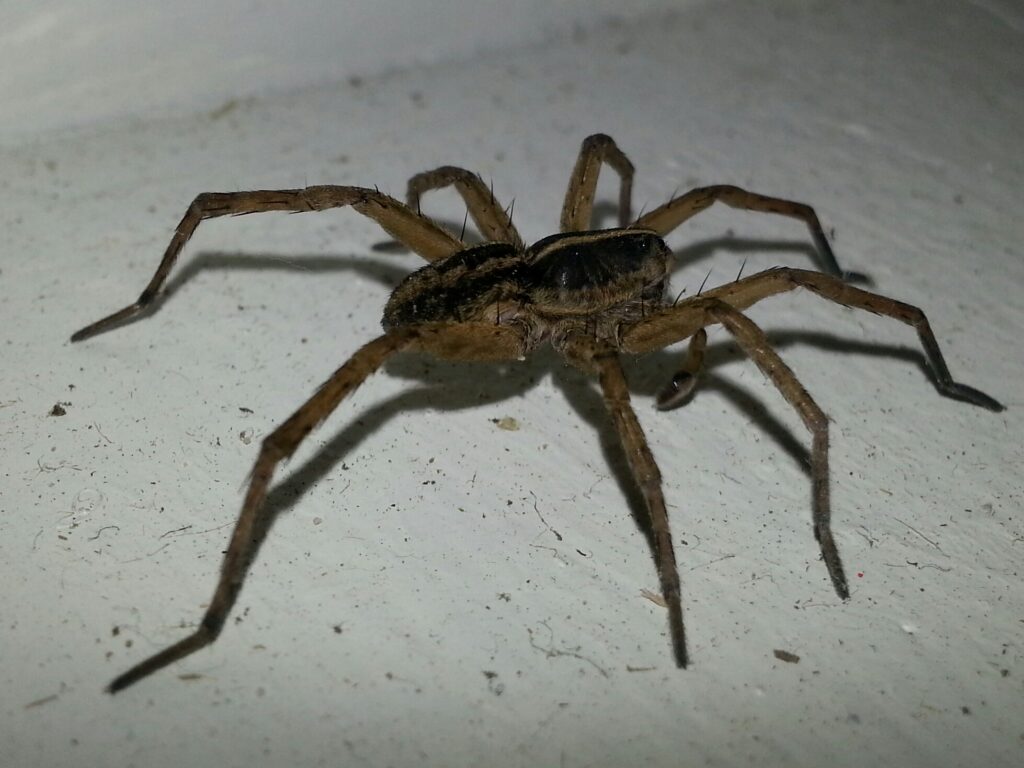
The Correct Way to Handle Canadian Spiders
Ideally, Canadian residents would prefer to never have to deal with any pests – it’s just better that way. Unfortunately, pests are pretty much everywhere, so dealing with them at some point in time is a reality. But if you had the opportunity to …

Avoiding Summer Pests in Canada
Warm weather and the long-awaited start of summer gives any Canadian a reason to celebrate. But the hot and humid summer weather also creates an ideal paradise for annoying pests. Following a few simple prevention-based tips can keep common pests …
Truly Nolen Canada Supports Crime Stoppers of Grey Bruce Inc. At Local Charity Golf Tournament
Dear Ms. Reinwald, On behalf of the Board of Directors of Crime Stoppers of Grey Bruce and the tournament organizers, I would like to express our sincere gratitude to you for donating a pest-proof mattress cover as an auction item toward our 22nd …